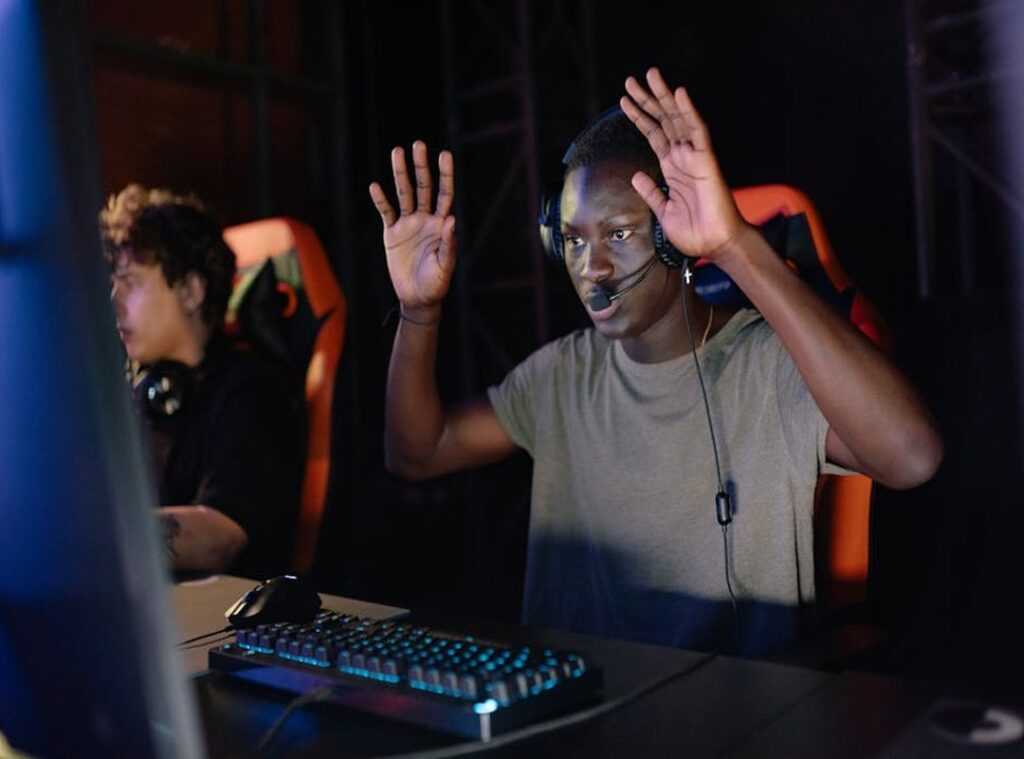

Ever had the perfect gaming setup, yet you still botch that key play because of one tiny mistake? I’ve been there. It’s maddening.
You blame your gear, your connection, but maybe it’s not them. Maybe it’s you. Your brain, to be precise.
Here’s the thing: mental preparation gaming is the real game-changer. Forget the usual advice like “get more sleep.” We’re diving into a tech-focused mental toolkit designed to sharpen your focus and decision-making skills. This is about leveling up your mind.
We’ve got the inside scoop from hours spent dissecting game mechanics and performance strategies. We know what it takes to think like a pro gamer. Stick around, and you’ll get practical tools to boost your gaming brain, not just your hardware.
Gaming Unleashed: Prepping Your Mind for Battle
Cognitive readiness in gaming isn’t just science mumbo jumbo. It’s getting your brain primed and prepared for action. Think of it as overclocking your mental CPU before a match.
Everyone talks about the physical prep, but mental preparation gaming is a game-changer (pun intended).
First, situational awareness (“where am I?”) is key. It’s like knowing the map in your favorite FPS. The more you know, the better you perform.
Then there’s decision-making speed. You know those seconds when you have to decide if you’ll charge or hold back? That’s your “what” moment.
Quick reflexes might win a round, but smart choices win games.
Lastly, emotional regulation is the “how”. Meltdowns are for amateurs. Keeping your cool under pressure is what separates the noobs from the pros.
You can train this, just like you improve your skills with hours of practice.
Don’t think you’re born with it? Good news, you’re not. It’s a trainable skill, so get started.
And if you want to dive deeper, read more about how the pros do it. No one became a legend overnight. Get your head in the game and level up.
Boot Up Your Brain: Pre-Game Mental Warm-Up
Before you dive into the chaos of a competitive match, have you ever thought about a mental pre-flight checklist? Sounds a bit like a pilot, right? Trust me, it works.
Your brain needs a warm-up just as much as your fingers do.
Let’s talk warm-up drills. I swear by aim trainers like Aim Lab or KovaaK’s. They’re not just for getting your aim pixel-perfect.
They’re fantastic for honing focus and reaction time too. Try ‘Gridshot’ for a speed boost. You’ll feel like you’re in the Matrix, dodging bullets.
And ‘Tracking’? Perfect for teaching your brain to maintain focus. It’s like a workout for your mind.
Now, let’s get techy. Ever used a meditation app? Calm or even a quick YouTube video does wonders.
Spend five minutes breathing deeply, and you’ll lower cortisol levels. Fancy way of saying you’ll stress less. Why is this important, you ask?
It clears mental clutter. You know, those random thoughts that pop into your head and throw you off your game.
Got a favorite map? Close your eyes. Picture that key play.
Walk through it mentally. It’s a simple visualization trick. This primes your neural pathways for success.
Sounds like sci-fi, but it’s heavy stuff. Your brain gets ready to execute, just because you imagined it.
Single. Time. It’s about building a habit, making it second nature.
Here’s a newsflash: Consistency wins. A daily 10-minute mental warm-up beats an hour once a week. Every.
If you’re serious about mental preparation gaming, these tips are your new best friends. Don’t just take my word for it. Try them, and see how your game changes.
There’s no magic bullet here, just solid advice. Sure, some of it might sound a bit new-agey, but it works. And isn’t that what you really care about?
So, next time you boot up, give your brain the warm-up it deserves. You’ll thank yourself later.
In-Game Hacks: Staying Sharp When It Counts
You want to win, right? It’s not just about strategies or reflexes but about mastering your mental preparation gaming. In the heat of battle, your brain can feel like it’s running a marathon.
Ever heard of cognitive load management? It’s the art of focusing on only what’s key during gameplay. Forget the flashy stuff in the corner of your screen.
Zero in on the mini-map, the whispers of sound cues.
When you mess up (and) you will. Don’t let it hijack your focus. a “mental reset trigger” comes in handy. This isn’t some mystical trick.
Think of it as a quick shake of your hands or a deep breath paired with a mantra like “next play.” Simple, physical actions can clear your mind, making way for better decisions. If you let mistakes linger, they snowball into bigger problems. Leave the blame game out.
Managing tilt is a beast of its own. Anger narrows your focus (hello, tunnel vision) and prompts rash choices. It’s like a bad DJ remixing chaos into the mix.
When frustration peaks, shift gears. Ask what you could’ve done differently rather than why your team can’t pull it together (we all know they should). Objective thinking is your best armor.
Pro gamers have their downtime routines. Pro gamers fitness routines peak performance isn’t just about physical training but mental stamina too. Use those precious seconds waiting to respawn wisely. Don’t pick up your phone to doom scroll.
Instead, engage in mental resets. It’s when your brain recalibrates, not elaborates on past errors.
These strategies won’t turn you into a world champion overnight. But, they’ll put you on the right path. If you practice this “mental toolkit” religiously, you’ll notice a shift.
Less obsession over past blunders and more focus on the game in front of you. Isn’t that what we all want? To be in the zone, truly locked in, and playing our best?
That’s where the victory dances happen. So, how about you dive back in there and show them what you’ve got?
The Post-Game Cool-Down: Data Driven Decisions
After a game, the real cognitive boost kicks in. It’s not just about playing better but thinking smarter. Ever wonder why some pros recommend reviewing your games?
It’s mental preparation gaming, but not just any review. Save that nail-biting loss replay. Not for a mechanics roast session.
Ask yourself: What information did I have here? Did I miss something key? Was my decision rushed or calculated?
Instead, focus on key decisions.
It’s like collecting data for your next mental patch update. (Think of it as upgrading your in-game character, but in real life.)
The magic isn’t in the criticism; it’s in learning. You aren’t just a player. You’re a strategist.
This isn’t about beating yourself up. It’s about preparing for the next round, armed with takeaways. Next time, instead of just playing, analyze.
Why miss out on becoming the player you aspire to be?
Hit the Reset Button on Your Mind
Ever hit a plateau in your game where better hardware can’t save you? I’ve been there. The real enemy is a lack of mental preparation gaming.
Mastering cognitive readiness isn’t just smart; it’s important. These aren’t abstract theories. These are skills you can train.
Practical, tangible steps.
Think about that. What if the breakthrough isn’t in your gear but in your mind? Ready to smash through that ceiling?
Start with this: pick one warm-up drill from this guide. Make it routine. Before your next session, take that step.
Your smarter, faster journey begins now.
 Kelvor Thryndell is the kind of writer who genuinely cannot publish something without checking it twice. Maybe three times. They came to gamer gear optimization hacks through years of hands-on work rather than theory, which means the things they writes about — Gamer Gear Optimization Hacks, Tech-Powered Game Strategy Guides, Pro Perspectives, among other areas — are things they has actually tested, questioned, and revised opinions on more than once.
That shows in the work. Kelvor's pieces tend to go a level deeper than most. Not in a way that becomes unreadable, but in a way that makes you realize you'd been missing something important. They has a habit of finding the detail that everybody else glosses over and making it the center of the story — which sounds simple, but takes a rare combination of curiosity and patience to pull off consistently. The writing never feels rushed. It feels like someone who sat with the subject long enough to actually understand it.
Outside of specific topics, what Kelvor cares about most is whether the reader walks away with something useful. Not impressed. Not entertained. Useful. That's a harder bar to clear than it sounds, and they clears it more often than not — which is why readers tend to remember Kelvor's articles long after they've forgotten the headline.
Kelvor Thryndell is the kind of writer who genuinely cannot publish something without checking it twice. Maybe three times. They came to gamer gear optimization hacks through years of hands-on work rather than theory, which means the things they writes about — Gamer Gear Optimization Hacks, Tech-Powered Game Strategy Guides, Pro Perspectives, among other areas — are things they has actually tested, questioned, and revised opinions on more than once.
That shows in the work. Kelvor's pieces tend to go a level deeper than most. Not in a way that becomes unreadable, but in a way that makes you realize you'd been missing something important. They has a habit of finding the detail that everybody else glosses over and making it the center of the story — which sounds simple, but takes a rare combination of curiosity and patience to pull off consistently. The writing never feels rushed. It feels like someone who sat with the subject long enough to actually understand it.
Outside of specific topics, what Kelvor cares about most is whether the reader walks away with something useful. Not impressed. Not entertained. Useful. That's a harder bar to clear than it sounds, and they clears it more often than not — which is why readers tend to remember Kelvor's articles long after they've forgotten the headline.