Remember the first time you strapped on a modern VR headset? That “how did we get here?” moment hits hard. It’s like stepping out of a pixelated past into a photoreal future.
Understanding that wild, often awkward journey of VR is key. We’ve got epic wins and, yes, some hilarious face-plants along the way. But trust me, the story behind this tech is worth knowing.
I’ve spent my life dissecting gaming tech (from early consoles to today’s VR code). This isn’t some dry timeline. We’re diving into the juicy bits that transformed gaming (moments) that actually mattered.
Curious about the future of VR gaming? You’re in the right place. I’ll guide you through this crazy evolution.
Together, we’ll uncover the breakthrough moments that shaped how we play now.
The Dreamers and the Doorstops: VR’s Clunky Beginnings
Back in the day, when VR was just a twinkle in some inventor’s eye, Morton Heilig had a wild idea. Imagine a “proto-VR arcade cabinet” that didn’t just show you images but also engulfed you in smells. Yeah, he called it the ‘Sensorama.’ Sounds like a fancy coffee machine, right?
But no, it was the grandfather of immersive tech.
Then there was the ‘Sword of Damocles.’ (I know, the name alone could scare you off.) It dangled from the ceiling, a chunky beast with its simple wireframe graphics. Not exactly sleek. Yet, it was the head-mounted display that dreamed big.
Think of it as the “great-great-grandparent” of the headsets we know today.
Were these early contraptions practical? Hardly. They were expensive, enormous, and frankly, the tech just wasn’t ready.
The idea of sensory immersion and head tracking was there, but the execution? Primitive at best.
Fast forward to now, where the dream of stepping into a digital world is closer than ever. People couldn’t see it then, but these clunky beginnings paved the way for the future of VR gaming. Want to dive deeper?
Check out the Cloud Gaming Platforms Guide for a modern twist on this evolution.
So, what’s next for VR? Who knows. Just remember, without those early dreamers, we’d still be stuck in flatland.
The 90s Hype Train: Nintendo’s Virtual Boy and the Big Red Crash
Ah, the 90s. A decade of grunge music, denim overload, and some wild leaps in tech. Nintendo was right in the mix with a wild ride called the Virtual Boy.
Imagine putting on a headset and diving into a world of…two colors. Red and black. That’s it.
No RGB party here. Just a one-way ticket to Migraine-ville. Seriously, this thing had people reaching for aspirin faster than you could say “Mario Kart.”
Virtual Boy was supposed to be game-changing. But was it? Not really.
It wasn’t true VR. No head tracking, no immersiveness. The games?
Kind of a snooze fest. Let’s be honest, it was a solution in search of a problem. It felt like Nintendo asked, “What if we made gaming less fun?”
Fast forward to today, the future of VR gaming is brighter and bolder. We’ve learned loads since the Virtual Boy nosedived. Ergonomics matter.
People want comfort and clarity, not headaches and monochrome nightmares. And software? It rules the world. No amount of tech wizardry will save you without killer games.
The Virtual Boy taught us that just because you can make something doesn’t mean you should. Often, it’s about doing something right. In the end, it was a crash course in what VR shouldn’t be.
And that’s not a bad lesson to learn.
The Renaissance: How a Kickstarter and a Headset Changed
Remember the VR winter? The 90s left us with a bitter taste, as virtual reality fell into obscurity. It was clunky, nausea-inducing, and honestly, a bit of a joke.
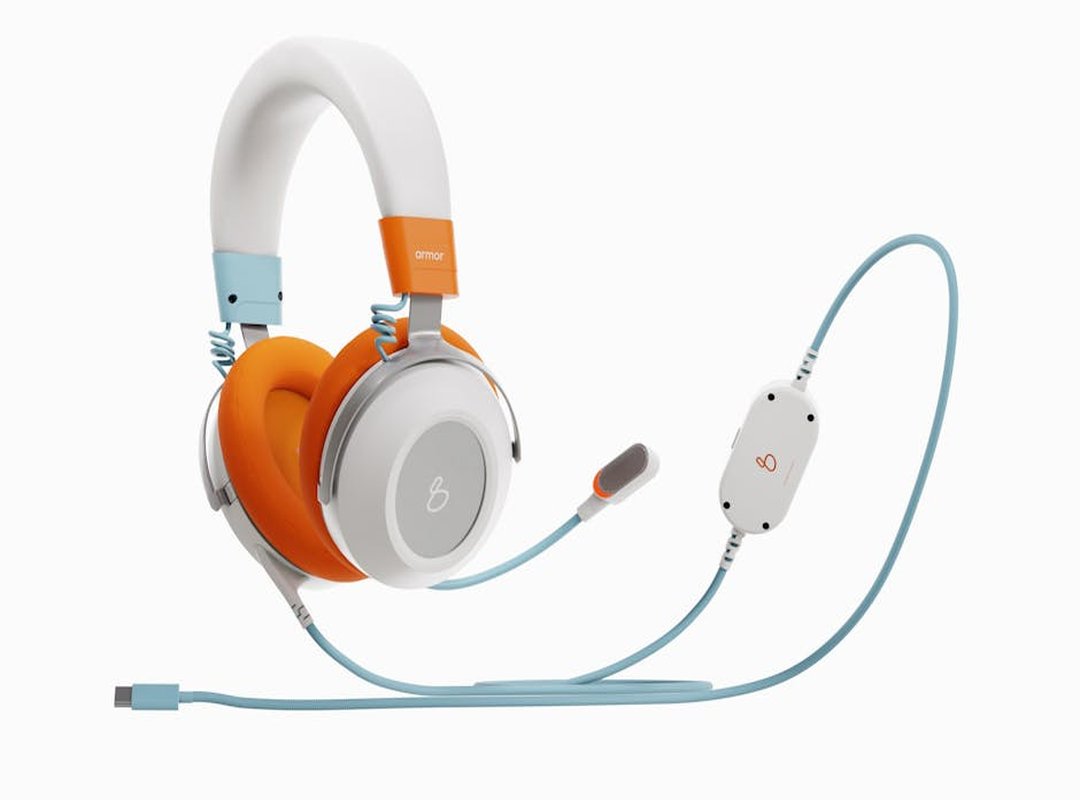
Fast forward to 2012, and a Kickstarter campaign changed everything. The Oculus Rift emerged, reigniting the VR dream. Was it just a fad, or did it truly revolutionize gaming?
The secret sauce? Tech leaps that shattered old barriers. Low-latency, 1:1 head tracking (finally, no more queasy stomachs), wider fields of view, and much crisper screens.
These weren’t just upgrades. They opened the door to new game mechanics. Before this, VR was mostly about sitting and spinning in chairs.
Enter room-scale designs like the HTC Vive, which let you walk around as if in a virtual playground. And don’t get me started on motion controllers that let you actually use your hands (not) just some joystick.
VR gaming exploded with games that couldn’t exist outside this medium. Beat Saber didn’t just redefine rhythm games; it made you a sweaty mess while slicing cubes like a Jedi. SUPERHOT VR turned time into a tangible object, only moving when you did. And Half-Life: Alyx. A narrative masterpiece that felt more like an alternate reality than a game.
Could these have thrived on flat screens? Hardly.
Standalones like the Meta Quest series took it further. No more tripping over cords or needing a solid PC. Just you and your headset, ready to dive into virtual worlds anywhere.
This made VR far more accessible to everyone. It wasn’t just for the tech-savvy anymore. Suddenly, it was mainstream.
For those pondering the cross platform gaming console divide, VR offers its own unique bridge. It’s not just about what’s next in tech. It’s about changing how we experience gaming.
The future of VR gaming is here, and it’s redefining the rules.
So, what’s next? Can VR keep this momentum, or are we just in another hype cycle? Never say never.
But if the past decade is any clue, VR isn’t just a gimmick. It’s a gaming renaissance unfolding before our eyes.
Leveling Up Reality: What’s Next on the VR Horizon?
When it comes to the future of VR gaming, we’re just scratching the surface. You think about visuals and audio, but that’s only the beginning. Let’s talk about haptics.
Imagine wearing a full-body suit that lets you feel raindrops or punches. Wild, right? These suits and gloves are the next frontier.
They add a layer of realism that visuals alone can’t touch. Feeling resistance when you grip a virtual sword? That’s immersive.
Then there’s foveated rendering. It’s a fancy term for eye-tracking that sharpens only what you’re looking at. Saves performance power, and let’s face it, makes everything look better without frying your hardware.
But the real game-changer? Brain-Computer Interfaces. Imagine playing a game with your thoughts.
No controllers, just pure mental power.
The idea’s thrilling and maybe a bit terrifying. Science fiction today, reality tomorrow? Who knows?
But that’s the fun part, speculating on where tech could take us. Maybe one day, VR gaming won’t even need the VR part. It’s like unlocking the ultimate level in a game, where the lines between reality and gaming blur.
We’re on the brink of something game-changing, and honestly, I can’t wait.
Step Into the Future
Remember when VR meant clunky gear hanging from the ceiling? Those days are over. Now, we have sleek, wireless headsets that pull us into another world.
It’s wild how far we’ve come, right? The real magic here is how developers and players (yes, you) broke down the walls between us and the game.
This passion fuels the future of VR gaming. So what’s your first ‘wow’ moment in VR? Or maybe you’re buzzing about some future tech?
Share it in the comments.
And if you’re hungry for more, dive into thehaketech.net. We’ve got the takeaways and tutorials you need to take your gaming to the next level. Your journey into VR has just begun.
The next move? It’s yours.
 Robertiven Nakamuras is the kind of writer who genuinely cannot publish something without checking it twice. Maybe three times. They came to hake-level modding tutorials through years of hands-on work rather than theory, which means the things they writes about — Hake-Level Modding Tutorials, Pro Perspectives, Tech-Powered Game Strategy Guides, among other areas — are things they has actually tested, questioned, and revised opinions on more than once.
That shows in the work. Robertiven's pieces tend to go a level deeper than most. Not in a way that becomes unreadable, but in a way that makes you realize you'd been missing something important. They has a habit of finding the detail that everybody else glosses over and making it the center of the story — which sounds simple, but takes a rare combination of curiosity and patience to pull off consistently. The writing never feels rushed. It feels like someone who sat with the subject long enough to actually understand it.
Outside of specific topics, what Robertiven cares about most is whether the reader walks away with something useful. Not impressed. Not entertained. Useful. That's a harder bar to clear than it sounds, and they clears it more often than not — which is why readers tend to remember Robertiven's articles long after they've forgotten the headline.
Robertiven Nakamuras is the kind of writer who genuinely cannot publish something without checking it twice. Maybe three times. They came to hake-level modding tutorials through years of hands-on work rather than theory, which means the things they writes about — Hake-Level Modding Tutorials, Pro Perspectives, Tech-Powered Game Strategy Guides, among other areas — are things they has actually tested, questioned, and revised opinions on more than once.
That shows in the work. Robertiven's pieces tend to go a level deeper than most. Not in a way that becomes unreadable, but in a way that makes you realize you'd been missing something important. They has a habit of finding the detail that everybody else glosses over and making it the center of the story — which sounds simple, but takes a rare combination of curiosity and patience to pull off consistently. The writing never feels rushed. It feels like someone who sat with the subject long enough to actually understand it.
Outside of specific topics, what Robertiven cares about most is whether the reader walks away with something useful. Not impressed. Not entertained. Useful. That's a harder bar to clear than it sounds, and they clears it more often than not — which is why readers tend to remember Robertiven's articles long after they've forgotten the headline.