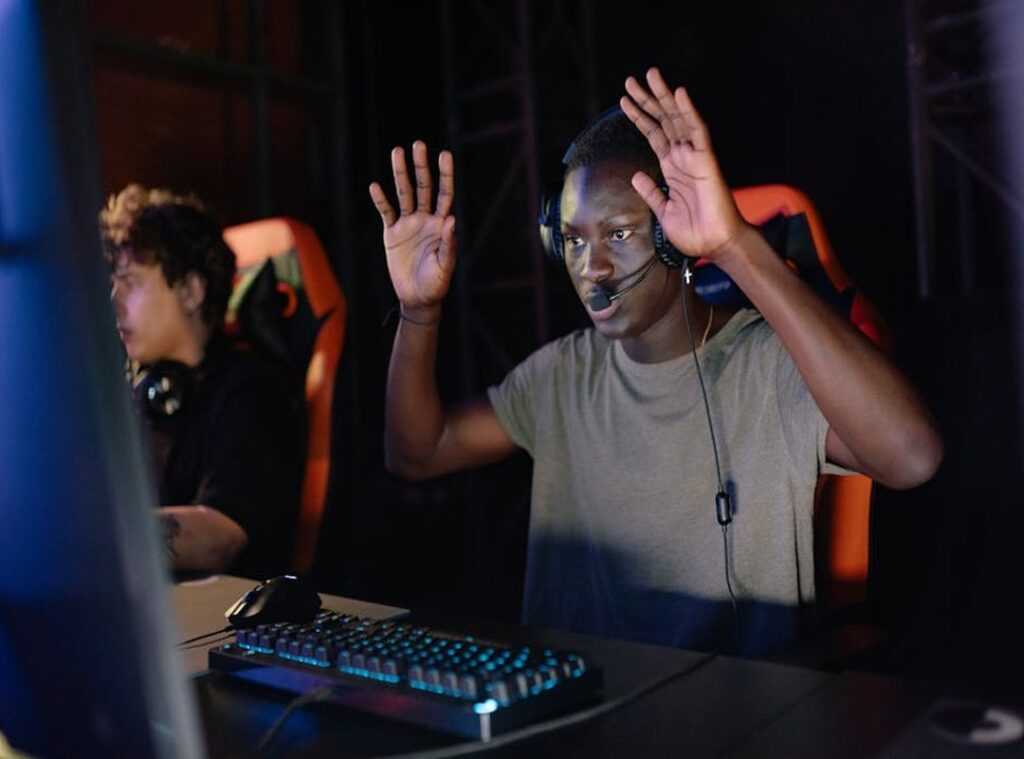

You’ve mastered the mechanics, your aim is sharp, but you’ve hit a frustrating skill ceiling you can’t seem to break. The generic advice to “grind more” or “watch streams” isn’t cutting it. Let’s face it, the real secret isn’t just playing more.
It’s playing smarter.
I’ve spent years immersed in the world of pro-level gaming, analyzing what truly sets the top 1% apart. It’s not just raw skill. It’s about plan, data, and mental frameworks.
This guide promises to flip your gaming world upside down. You’ll discover pro player strategies esports champions use to gain their competitive edge.
Trust me, this isn’t just theory. These are actionable takeaways used by the best. Ready to level up?
This is your playbook for breaking through that ceiling.
The Pro Mindset: Thinking Beyond the Meta
You know what separates the true pros from the rest? It’s not just following the meta. It’s understanding why it exists and knowing how to exploit its weaknesses.
I learned this the hard way. Ever tried using an off-meta character to counter a popular plan? It’s like bringing a knife to a gunfight.
Until you find out the knife is actually a lightsaber.
Meta-following is easy. Everyone does it. But meta-breaking? the magic happens.
When you define your win condition, you’re not just saying “let’s win.” You’re thinking, “how do we win THIS game against THIS team?” It’s specific. It’s strategic. And yes, it’s key.
Let’s talk about “Mental APM.” Actions Per Minute aren’t just about clicking faster. It’s about making smarter decisions quicker. At the pro level, speed and quality of decision-making trump pure mechanical speed every time.
Imagine a chess player who moves fast but without thought. Doesn’t work, right?
Being a pro isn’t just about playing. It’s about thinking like a strategist. You must be ready to adapt and innovate.
Sure, mechanical skills matter, but mindset and preparation play a huge role too. Want to dive deeper into the mental game? Check out this mental preparation competitive gaming success guide for more takeaways.
Pro tip: Always question the meta. Why? Because when everyone else is zigging, you might just find success by zagging.
That’s the essence of pro player strategies esports.
Your Secret Weapon: Data-Driven Strategies
Let’s get real. If you want to be the best, you can’t just rely on talent. You need to be an analyst too.
The top players in esports aren’t just good because they can click heads faster (though that helps). They’re good because they know how to use data to their advantage. Ever heard of pro player strategies esports?
They dig into the numbers like their careers depend on it.
Here’s how you can do it. Start with a simple VOD review. Not just watching your mistakes and cringing.
Be methodical. Get a spreadsheet out. Track specific variables that matter to your game.
Things like “Deaths by over-aggression” or “Lost 1v1s” can reveal patterns you didn’t even know existed. It’s about finding those habits that cost you matches.
And let’s not forget about third-party tools. They’re game-changers. Aim trainers with data feedback or match analysis sites can show you stats you never knew you needed.
Sure, they’re not magic, but they help. For instance, they might show your win rate drops by 30% when you’re the first to engage. That’s huge.
Or maybe you consistently miss shots to the upper-left. That’s something you can work on.
It’s not just about identifying the flaws. It’s about the “Play, Analyze, Adapt” feedback loop. You play, you gather data, you adapt your strategies.
Improvement isn’t just about knowing where you mess up. It’s about making changes based on that data. the real growth happens.
So, are you going to keep playing the same way, hoping to get better? Or are you going to use data to sharpen your plan? The choice is yours.
But remember, the best don’t just play. They analyze. They adapt.
And that’s what makes them the best.
Mastering the Map: Advanced Positional and Rotational Tactics
Ever wonder how the pros make it look so easy? It’s not just about aim. It’s about information warfare.

That’s right, positioning isn’t just for safety. It’s a weapon. Deny the enemy team info and feed your own team the details.
You control the game.
Let’s talk “Tempo Control.” Think of it like a chess match or a fast break in basketball. You set the pace, not them. Pros use this to force opponents into awkward spots.
Alright, here’s a practical example. Imagine a team-based game. Most players follow a “default” rotation.
They dictate the rhythm. And when you control the tempo, you’ll find yourself leading the dance. See what I’m getting at?
But the real magic happens with proactive, information-based rotations. Instead of rotating predictably, you cut through the map, anticipating enemy movements. You catch them off-guard.
That’s how you win.
And here’s a pro tip: always visualize the map as a living entity. You’re not just moving. You’re influencing the game.
Every step can change the outcome. Want to dive deeper into these strategies? Check out lessons top twitch streamers building audience.
They know a thing or two about controlling the action.
In the world of pro player strategies esports, mastering these tactics can turn the tide. It’s not magic. It’s science.
So next time you’re in the game, think ahead. Position yourself not just for the shot but to starve the enemy of their next move. Now go show them who’s boss.
The Art of Adaptation: Outsmarting Opponents Mid-Match
No plan survives contact with the enemy. This is the mantra of any seasoned gamer. And let’s face it, all the prep in the world can’t account for the chaos of a match. the ability to adapt becomes a pro player’s best asset.
You ever notice how some teams just stick to the same plays? It’s like they’re on autopilot. Identifying these habits is key.
Does the enemy always rush a specific objective? Are they predictable in their strategies? This is where counter-stratting comes into play.
Imagine this: the enemy team has rushed the same objective three times. It’s tempting to just beef up defenses there, but that’s not enough. Instead, setting a trap on their rotation path before they arrive can turn the tables (and give you a sweet victory).
This is about thinking ahead, not just reacting.
Communication is key here. It’s not just about seeing patterns; it’s about talking them out with your team. Clear, concise chatter can transform a ragtag group into a cohesive unit.
This is what separates casual players from the pros. Sure, it sounds intense, but that’s esports for you: pro player strategies esports isn’t just a keyword. It’s a mindset.
See what I mean? The art of adaptation is a game-changer. So next time you’re in the thick of it, remember: observe, identify, and counter.
Your opponents won’t know what hit them.
Level Up Your Game Now
You want to break free from that skill plateau? It’s within reach. You’ve absorbed the pro player strategies esports experts swear by.
Hours of practice alone won’t cut it. Mixing plan with data-driven takeaways and in-game tweaks? That’s your game-changer.
Here’s the move: pick one tactic from this guide. Try tracking a single stat over your next five matches. Sounds simple, right?
But that’s where the magic happens.
Dive into it. Build your pro playbook today. The path to mastery is one deliberate step at a time.
Ready to level up? Start now.
 Kelvor Thryndell is the kind of writer who genuinely cannot publish something without checking it twice. Maybe three times. They came to gamer gear optimization hacks through years of hands-on work rather than theory, which means the things they writes about — Gamer Gear Optimization Hacks, Tech-Powered Game Strategy Guides, Pro Perspectives, among other areas — are things they has actually tested, questioned, and revised opinions on more than once.
That shows in the work. Kelvor's pieces tend to go a level deeper than most. Not in a way that becomes unreadable, but in a way that makes you realize you'd been missing something important. They has a habit of finding the detail that everybody else glosses over and making it the center of the story — which sounds simple, but takes a rare combination of curiosity and patience to pull off consistently. The writing never feels rushed. It feels like someone who sat with the subject long enough to actually understand it.
Outside of specific topics, what Kelvor cares about most is whether the reader walks away with something useful. Not impressed. Not entertained. Useful. That's a harder bar to clear than it sounds, and they clears it more often than not — which is why readers tend to remember Kelvor's articles long after they've forgotten the headline.
Kelvor Thryndell is the kind of writer who genuinely cannot publish something without checking it twice. Maybe three times. They came to gamer gear optimization hacks through years of hands-on work rather than theory, which means the things they writes about — Gamer Gear Optimization Hacks, Tech-Powered Game Strategy Guides, Pro Perspectives, among other areas — are things they has actually tested, questioned, and revised opinions on more than once.
That shows in the work. Kelvor's pieces tend to go a level deeper than most. Not in a way that becomes unreadable, but in a way that makes you realize you'd been missing something important. They has a habit of finding the detail that everybody else glosses over and making it the center of the story — which sounds simple, but takes a rare combination of curiosity and patience to pull off consistently. The writing never feels rushed. It feels like someone who sat with the subject long enough to actually understand it.
Outside of specific topics, what Kelvor cares about most is whether the reader walks away with something useful. Not impressed. Not entertained. Useful. That's a harder bar to clear than it sounds, and they clears it more often than not — which is why readers tend to remember Kelvor's articles long after they've forgotten the headline.