
Tired of dropping cash on pricey GPUs and consoles? I feel you. That’s why we’re diving into cloud gaming platforms.
You don’t need to empty your wallet for high-fidelity gaming anymore. But does this tech really match up to the hardware? We’ve tested it all, focusing on latency, stream quality, and game libraries.
No-nonsense results here, folks.
Why trust us? We’ve done rigorous hands-on testing. If you’re wondering whether cloud gaming can truly replace your local rig, you’re in the right place.
Stick around for a competitive breakdown and a clear verdict on today’s best cloud-based gaming services.
Cloud Gaming: Cutting Through the Hype
Ever wondered how cloud gaming platforms actually work? It’s simpler than you’d think. You’re basically controlling a solid computer somewhere else, and its video output is streamed to you.
Like an interactive movie. Sounds futuristic? Sure.
But the tech has been around for a while, just waiting for the right moment to shine.
The core components are straightforward. You have remote servers (your gaming “rig”), video encoding/decoding, and input latency. Latency is the delay you feel when you hit a button and wait for the action on screen, like flipping a switch and waiting for a light to turn on.
The magic happens when these elements work seamlessly together.
Why’s this all possible now? Two words: high-speed internet. Well, that and more fast video compression codecs like AV1.
Without them, cloud gaming would be a laggy mess. But these advancements let us play high-quality games without owning a high-end PC or console. Convenient, right?
So, why should you care about the tech behind these platforms? Because understanding it helps you choose the right service and not get burned by marketing fluff. Companies love to throw buzzwords at you, but knowing the basics keeps you informed.
Want to explore the future? Check out future vr gaming trends watch. It’s a game-changer.
In a world where tech promises often overdeliver, being informed is your best weapon. Don’t get duped. Dive in, understand, and make smarter choices.
You don’t need to be a tech wizard to see through the smoke. Just a bit of curiosity, a little skepticism, and you’re set.
The Main Event: GeForce Now vs. Xbox Cloud Gaming vs.
Let’s jump right into it. NVIDIA GeForce Now is all about raw power. If you’re looking for performance, it doesn’t get much better than the RTX 4080 tier. It’s like having a mini supercomputer in your pocket.
But here’s the catch: you have to bring your own games from Steam, Epic, and other platforms. That might be a dealbreaker for some. And if you’re not on the highest tier, you’ll deal with session timers.
Annoying, right?
Now, Xbox Cloud Gaming (xCloud) is the value king. Game Pass Ultimate offers a massive, curated library that’s hard to beat. It’s smooth, integrating well within the Xbox space.
But don’t expect it to match GeForce Now in raw performance. It’s more about the convenience and the sheer number of games at your fingertips. You get a lot for your money, no doubt about it.
PlayStation Plus Premium is a different beast. It gives you access to a vast library of both classic and new PlayStation titles. If you’re a fan of PlayStation’s space, this is your jam. But let’s be honest: its streaming performance can be hit or miss compared to its competitors. It’s focused heavily on console gaming, and that might be limiting for some players.
So what’s the verdict? It depends on what you want. Are you chasing performance?
GeForce Now is your answer. Looking for value and a huge library? Xbox Cloud Gaming has you covered.
Want to dive deep into PlayStation’s world? PlayStation Plus Premium is the way to go.
Here’s a quick comparison:
| Service | Performance Tier | Library Model | Best-Case Price |
|---|---|---|---|
| GeForce Now | RTX 4080 | Bring Your Own | Free/Subscription |
| Xbox Cloud Gaming | Good | Game Pass | $14.99/month |
| PlayStation Plus | Variable | PlayStation Titles | $17.99/month |
In the end, these cloud gaming platforms each have their strengths and weaknesses. It’s about what fits your needs. Do you want power, value, or a specific game library?
Only you can decide.
The Real Bottleneck: Is Your Internet Connection Good Enough?
Let’s get straight to it. Your internet connection is the single most important factor for a smooth cloud gaming experience. Forget what’s advertised as the minimum.
Does 25 Mbps really cut it for 1080p/60fps? Nope. I’d recommend 50 Mbps down to keep things stable.
Now, let’s talk about latency and packet loss. These two are often overlooked but they’re the real killers. Latency, or “ping,” is the time it takes for data to travel from you to the server.
Keep it under 30 ms for the best performance. Packet loss is even worse. You lose data packets, you lose game integrity.
Aim for zero percent, obviously.
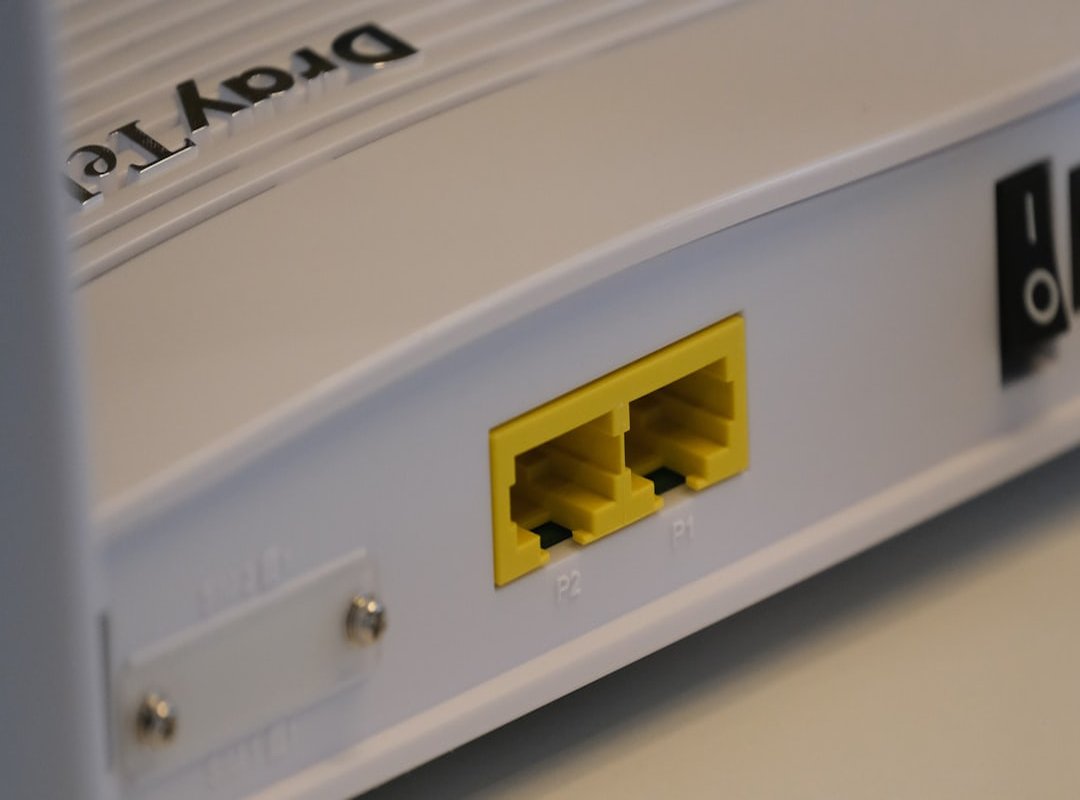
Here’s some advice: use a wired Ethernet connection. Wi-Fi is convenient, but it’s also unreliable when milliseconds count. Prioritize your gaming device’s traffic via Quality of Service (QoS) settings on your router.
If your router supports it, use it. Check server locations too. Choose a cloud gaming platform with servers close to you for faster response times.
Here’s a pro tip. If you’re into the tech side of gaming, consider diving into ai game development impact opportunities. It’s fascinating how AI can change gaming dynamics.
Most people don’t realize how easy it is to improve their setup. Competitors gloss over this stuff, but it empowers you to diagnose and fix your own issues. These tweaks can make all the difference.
Why settle for lag when a few adjustments can raise your game? Choose wisely, improve smartly, and game on!
Cloud Gaming: Who Should Dive In Now?
Let’s cut to the chase. Cloud gaming platforms aren’t for everyone. Yet. But for some, they’re a revelation.
If you’re a casual gamer, Xbox Cloud Gaming is your best bet. It offers stellar variety without breaking the bank. You aren’t chasing framerates, right?
Then it’s perfect.
Now, if you’re a hardcore player, GeForce Now’s Ultimate tier is close to what you’d get with a solid local rig. The catch? Latency.
There’s no escaping it, especially with those twitchy FPS games. But for everything else, it’s not just good; it’s darn near great.
Budget-conscious PC gamers, listen up. Isn’t it annoying to drop two grand on hardware? With GeForce Now (Priority or Ultimate), you don’t have to.
Play your existing library on ultra settings. It’s a no-brainer.
Pro tip: Always check your internet speed. It can make or break your cloud gaming experience. While cloud gaming platforms aren’t replacing consoles and PCs yet, they’re transformational in specific scenarios.
So, are you ready to switch? Or still hesitant? Remember, this isn’t an all-or-nothing choice.
For some, it’s a game-changer. For others, the wait continues. Choose wisely.
Level Up Without Limits
High-end gaming feels out of reach, doesn’t it? It’s the steep price tag. But here’s the thing: cloud gaming platforms tear down that barrier.
You just need the right service and a solid internet setup. Now, you’re armed with the knowledge to see beyond the hype. Ready to make an informed choice?
Dive deeper into your gaming setup. Check out our guide to optimizing your home network for zero-lag gaming. Or, for the tech enthusiasts, see our deep-dive on the latest GPU performance benchmarks. Don’t settle.
Raise your gaming experience today.
 William Ryanievada writes the kind of hot topics in gaming content that people actually send to each other. Not because it's flashy or controversial, but because it's the sort of thing where you read it and immediately think of three people who need to see it. William has a talent for identifying the questions that a lot of people have but haven't quite figured out how to articulate yet — and then answering them properly.
They covers a lot of ground: Hot Topics in Gaming, Gamer Gear Optimization Hacks, Core Gaming Mechanics and Insights, and plenty of adjacent territory that doesn't always get treated with the same seriousness. The consistency across all of it is a certain kind of respect for the reader. William doesn't assume people are stupid, and they doesn't assume they know everything either. They writes for someone who is genuinely trying to figure something out — because that's usually who's actually reading. That assumption shapes everything from how they structures an explanation to how much background they includes before getting to the point.
Beyond the practical stuff, there's something in William's writing that reflects a real investment in the subject — not performed enthusiasm, but the kind of sustained interest that produces insight over time. They has been paying attention to hot topics in gaming long enough that they notices things a more casual observer would miss. That depth shows up in the work in ways that are hard to fake.
William Ryanievada writes the kind of hot topics in gaming content that people actually send to each other. Not because it's flashy or controversial, but because it's the sort of thing where you read it and immediately think of three people who need to see it. William has a talent for identifying the questions that a lot of people have but haven't quite figured out how to articulate yet — and then answering them properly.
They covers a lot of ground: Hot Topics in Gaming, Gamer Gear Optimization Hacks, Core Gaming Mechanics and Insights, and plenty of adjacent territory that doesn't always get treated with the same seriousness. The consistency across all of it is a certain kind of respect for the reader. William doesn't assume people are stupid, and they doesn't assume they know everything either. They writes for someone who is genuinely trying to figure something out — because that's usually who's actually reading. That assumption shapes everything from how they structures an explanation to how much background they includes before getting to the point.
Beyond the practical stuff, there's something in William's writing that reflects a real investment in the subject — not performed enthusiasm, but the kind of sustained interest that produces insight over time. They has been paying attention to hot topics in gaming long enough that they notices things a more casual observer would miss. That depth shows up in the work in ways that are hard to fake.