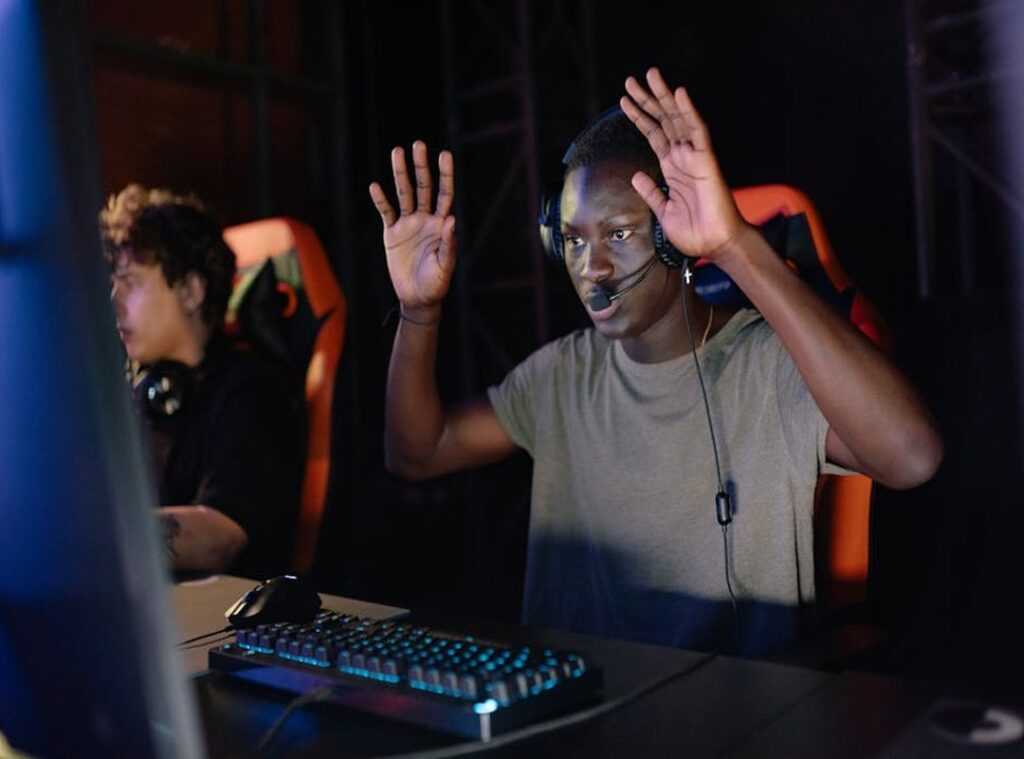

Ever picture the life of a pro gamer as one big highlight reel? Massive prize pools, roaring crowds, and those epic stage moments. It’s a fantasy, right?
But let me tell you, there’s a reality behind the scenes that’s anything but glamorous. Most people miss the grueling, repetitive grind and intense discipline required. I’m talking about the daily life pro gamer where hours of practice and strategic sacrifices are the norm.
This isn’t just another fluff piece. I’ve analyzed routines and interviews from top-tier esports athletes. You’re getting an unfiltered view of what it truly takes when the cameras aren’t rolling.
Deconstructing the Dream: 3 Myths About Pro Gaming, Busted
First up, the myth that it’s just playing games all day. Sure, gaming is part of it, but being a pro isn’t just about picking up a controller and having fun. It’s structured work.
You clock in like any other job. There’s a big difference between playing casually and grinding through VOD reviews. That’s Video on Demand for the uninitiated.
It means analyzing past games for mistakes. Add team-based scrimmages and theory-crafting sessions with coaches, and it starts looking a lot less like a lazy day on the couch. Ever tried gaming for eight hours straight while staying sharp?
It’s grueling.
Next myth: it’s all fame and easy money. If only. Pro gaming isn’t a golden ticket to riches.
The truth? Most players face financial instability. We talk about tier systems here.
Tier 1 pros might rake in big bucks, but what about the Tier 2 or 3 guys? For them, salaries are modest at best, often relying on prize money that’s anything but guaranteed. It’s a feast or famine kind of gig, and the feast is rare.
So, no, not everyone’s rolling in dough.
Lastly, the notion of a low-effort lifestyle. This gig is tough. Mental exhaustion and physical injuries like RSI (repetitive strain injuries) are common.
There’s constant pressure to perform. Slack off, and there’s always younger talent ready to take your spot. To keep up with this intense life, pro gamers fitness routines peak performance is key (more on that here).
You think playing games is easy? Try doing it with everything on the line.
In the daily life of a pro gamer, it’s anything but easy.
The Pro’s Playbook: Minute-by-Minute Game Day Breakdown
So you want to live like a pro gamer? Let me show you how it’s done. The daily life of a pro gamer isn’t just about logging hours in front of a screen.
You’ve got to prepare your body and mind for the grind.
Morning (08:00 – 11:00) – The Warm-Up: Start with some physical exercise. Forget energy drinks; reach for performance-focused nutrition. Think stretching and light cardio to get the blood flowing. A quick meditation session can work wonders for mental clarity, keeping you sharp when it counts.
Afternoon (11:00 – 18:00) – The Core Grind: This is where the magic. Or madness. Happens. You kick things off with scrims. What’s a scrim? Just a fancy term for scheduled practice matches. It’s about plan execution and team communication. You’re working with your team, focusing on combo and spotting weaknesses.
Then there’s the VOD review. This is where you sit with the coach to dissect those scrims. You go through recordings, pointing out mistakes, and refining strategies.
It’s not as glamorous as it sounds but it’s key for improvement.
Finally, mechanical or solo practice. This isn’t about climbing any ladder. It’s about honing individual skills, grinding ranked modes, or using training tools to sharpen your edge.
Evening (18:00 – 22:00) – The Cooldown & Brand Building: After the intense training, you have personal streaming obligations. Let’s be clear (streaming) is a key income source. But it’s not just about playing games. You’re also creating content and sometimes, you just need to disconnect completely. It’s key to prevent burnout.
Want more insight into what the gamer life truly involves? That’s it. The daily life of a pro gamer isn’t just playing games.
It’s a disciplined routine that demands everything. Are you ready for it?
Off-Screen Ops: Mastering Health, Wealth, and Relationships
Being a pro gamer isn’t just about the games. It’s a whole lifestyle. In the daily life of a pro gamer, physical and mental demands are off the charts.

Forget just exercising. We need the pro-athlete approach. Work with physical therapists.
Focus on specific wrist and hand stretches to combat RSI. Ergonomic setups are key (think chairs and desks). And let’s not forget sleep.
Sleep science is key for cognitive performance. Ever tried gaming on three hours of sleep? It’s a disaster.
Mental toughness sets the best apart. Sports psychologists help with performance anxiety. They teach resilience against online toxicity and master techniques for tilt control.
Emotional regulation is key. But what about the financial side? Income’s volatile.
Big payouts aren’t everyday affairs. Smart gamers work with financial advisors. They manage those large, infrequent prize winnings.
Investing for the future is non-negotiable. Negotiating contracts with team organizations is a skill.
Then there’s the social side. The cost is real. Non-traditional schedules strain relationships with family and friends.
How do you balance it? Pros consciously schedule social time. Maintaining a support system is important.
Otherwise, you’re just another lone wolf. It’s not just about clicking heads. It’s about mastering everything off-screen too.
Oh, and for those looking to up their mental game, check out Mental Preparation Competitive Gaming Success. It’s a game-changer. See what I did there?
From Clicks to Career: Gaming’s Professional Edge
You might think gaming’s just about clicking a mouse, but the skills I’ve picked up have been a game-changer. In my daily life as a pro gamer, I’m forced to make high-stakes decisions in seconds with only partial information. Imagine that pressure.
It’s the same kind of decision-making you need in finance, logistics, or even emergency services. You either sink or swim, and there’s no time to second-guess.
Communication? It’s not just about chatting with teammates. In gaming, “comms” mean delivering concise, ego-less instructions during clutch moments.
It’s like corporate teamwork on steroids. You don’t have time for egos or misunderstandings when everything’s on the line. The skills translate perfectly to any startup or high-paced corporate world.
Then there’s adaptability. Staying relevant means mastering new game metas as they change. It’s like an expert-level course in rapid learning.
Think about how businesses have to pivot with new technologies and market conditions. If you’re not adapting, you’re out.
Let’s talk data. Analyzing VODs and stats is second nature. Every game is a lesson, a chance to iterate.
The business world calls this analytics, using KPIs to push forward. In gaming, I’ve learned to find those competitive edges. It’s like a cheat sheet for life (minus the actual cheating).
So, does gaming prepare you for the professional world? Absolutely. It’s not just a hobby, it’s a training ground.
If you don’t see it, you’re missing out. These skills aren’t just transferable. They’re important.
Step Up Your Game
So, you’ve got the inside scoop on the daily life pro gamer. It’s not all glitz and glory, is it? It’s about discipline and sacrifice.
This isn’t just a game; it’s a lifestyle. But now you know. You get the grind.
You get the hustle.
Ready to make it count? Dive into our tech-powered plan guides. You want to level up?
We’ve got the tools. Go ahead, explore what our guides offer. Your next move?
Raise your gameplay. The path is there. The choice is yours.
Jump in. Get started today. Your pro journey begins now.
 William Ryanievada writes the kind of hot topics in gaming content that people actually send to each other. Not because it's flashy or controversial, but because it's the sort of thing where you read it and immediately think of three people who need to see it. William has a talent for identifying the questions that a lot of people have but haven't quite figured out how to articulate yet — and then answering them properly.
They covers a lot of ground: Hot Topics in Gaming, Gamer Gear Optimization Hacks, Core Gaming Mechanics and Insights, and plenty of adjacent territory that doesn't always get treated with the same seriousness. The consistency across all of it is a certain kind of respect for the reader. William doesn't assume people are stupid, and they doesn't assume they know everything either. They writes for someone who is genuinely trying to figure something out — because that's usually who's actually reading. That assumption shapes everything from how they structures an explanation to how much background they includes before getting to the point.
Beyond the practical stuff, there's something in William's writing that reflects a real investment in the subject — not performed enthusiasm, but the kind of sustained interest that produces insight over time. They has been paying attention to hot topics in gaming long enough that they notices things a more casual observer would miss. That depth shows up in the work in ways that are hard to fake.
William Ryanievada writes the kind of hot topics in gaming content that people actually send to each other. Not because it's flashy or controversial, but because it's the sort of thing where you read it and immediately think of three people who need to see it. William has a talent for identifying the questions that a lot of people have but haven't quite figured out how to articulate yet — and then answering them properly.
They covers a lot of ground: Hot Topics in Gaming, Gamer Gear Optimization Hacks, Core Gaming Mechanics and Insights, and plenty of adjacent territory that doesn't always get treated with the same seriousness. The consistency across all of it is a certain kind of respect for the reader. William doesn't assume people are stupid, and they doesn't assume they know everything either. They writes for someone who is genuinely trying to figure something out — because that's usually who's actually reading. That assumption shapes everything from how they structures an explanation to how much background they includes before getting to the point.
Beyond the practical stuff, there's something in William's writing that reflects a real investment in the subject — not performed enthusiasm, but the kind of sustained interest that produces insight over time. They has been paying attention to hot topics in gaming long enough that they notices things a more casual observer would miss. That depth shows up in the work in ways that are hard to fake.