
Frustrated with those basic mod managers and simple texture swaps? I get it. They’re limiting.
You’ve hit a wall, and there’s no satisfaction in that. This article is your ticket to breaking through. I’m diving into the world of advanced scripting game mods.
Over years, I’ve dissected game engines and reverse-engineered mechanics to create big mods from scratch. Now, I’m sharing these tools with you. No fluff.
You want to move from just using mods to actually creating them? This is your guide to professional-grade tools that serious modders rely on. Ready to dominate?
Let’s get into it.
Beyond Vortex and Mod Organizer 2: What ‘Enhanced’ Really Means
Let’s get this straight. A mod manager is just a tool for organizing mods. It’s like a bookshelf for your games.
But mod tools? They’re the printing press. The ink.
They create entirely new content. Think advanced scripting game mods. These are where the real magic happens.
So, what makes a tool “enhanced”? First, it gives you direct access to game code and assets. Second, it unlocks engine-level functions.
This lets you break the limits devs set. Third, it allows for creations beyond the base game’s editor. Forget playing by the rules.
Enhanced tools let you rewrite them.
Ever felt limited by the game’s sandbox? These tools break those walls. You can build new systems, quests, mechanics.
The game becomes your canvas. Script Extenders, Asset Editors, Memory Inspectors. These are your brushes.
Curious to dive deeper? Want to know how texture modding can breathe new life into your games? Read more about it. Learn how to use these tools to their full potential.
Pro tip: Keep experimenting. The real fun begins when you start bending the rules. Create something truly unique.
That’s what enhanced is about.
Unlocking Potential: Script Extenders in Gaming
Let’s get straight to it. Script extenders are the secret sauce for games like Skyrim, Fallout, and Cyberpunk 2077. Without them, you’d be stuck with the vanilla version, deprived of the real potential modding has to offer.
What are these magical tools? Simple. They’re loaders that inject custom code into the game engine while the game is running.
This expands the functions available for modders, turning a basic ride into a high-speed adventure.
You’ve heard of SKSE, right? The Skyrim Script Extender is legendary in modding circles. It enables SkyUI (a) user interface overhaul you can’t live without once you’ve tried it.
This isn’t just a cosmetic change; it allows for mods that alter core physics or add detailed new magic systems. Without SKSE, these mods wouldn’t exist. It’s like trying to play jazz on a piano without any sharps or flats (technically) possible, but missing the point.
Then there’s F4SE for Fallout 4. Again, we’re talking about unparalleled customization, from tweaking AI behaviors to redesigning gameplay mechanics. It’s the nuts and bolts of serious modding.
Cyber Engine Tweaks for Cyberpunk 2077? Same deal. It allows players to mess with NPCs, outfits, and even the game’s own rules.
Want to mod like a pro? Start here. Anything less is just playing around.
If a game supports a script extender and you want to dive into advanced scripting game mods, learning to master it is not optional. It’s your first stop. Your key to the kingdom.
So, are you ready to open up the full potential of your favorite games?
Total Conversion Tools: Building Worlds, Not Just Tweaking
Ever wanted to step beyond simple game tweaks and into creating entirely new worlds? Advanced tools like Blender and 3ds Max let you do this. (If you have the patience, that is.) Their power extends through plugins, such as the NifSkope plugins for Bethesda games, which can transform an ordinary player into a creator of the extraordinary. But here’s a key piece: just having these tools isn’t enough.
You need the grit to push through the complexity.
Textures and materials are a beast of their own. Gone are the days of easy recolors. You want to achieve PBR materials?
Tools like Substance Painter and advanced Photoshop techniques are your new best friends. They’re what bring your worlds to life with modern game quality. The truth is, if you’re not into learning these tools, you’re not going to cut it in serious modding.
Harsh? Maybe. But honest.
Now, official toolkits like The Elder Scrolls Construction Set can provide a baseline. They’re decent to start with, but don’t let them be your ceiling. As you dive deeper into advanced scripting game mods, you’ll realize these are just the starting line.
Want to know more about how skins can be transformed? Check out this designing custom skins mod tutorial. Trust me, it’s worth the time if you’re serious.
Ultimately, making mistakes is part of the game. (Literally and metaphorically.) But each misstep is a stepping stone in mastering the art. Embrace them.
Cracking The Code: Mastery With Memory Editors
Want to dive deep into a game’s world? Get ready to dig with memory editors and debuggers. This isn’t just about cheating; it’s about understanding.
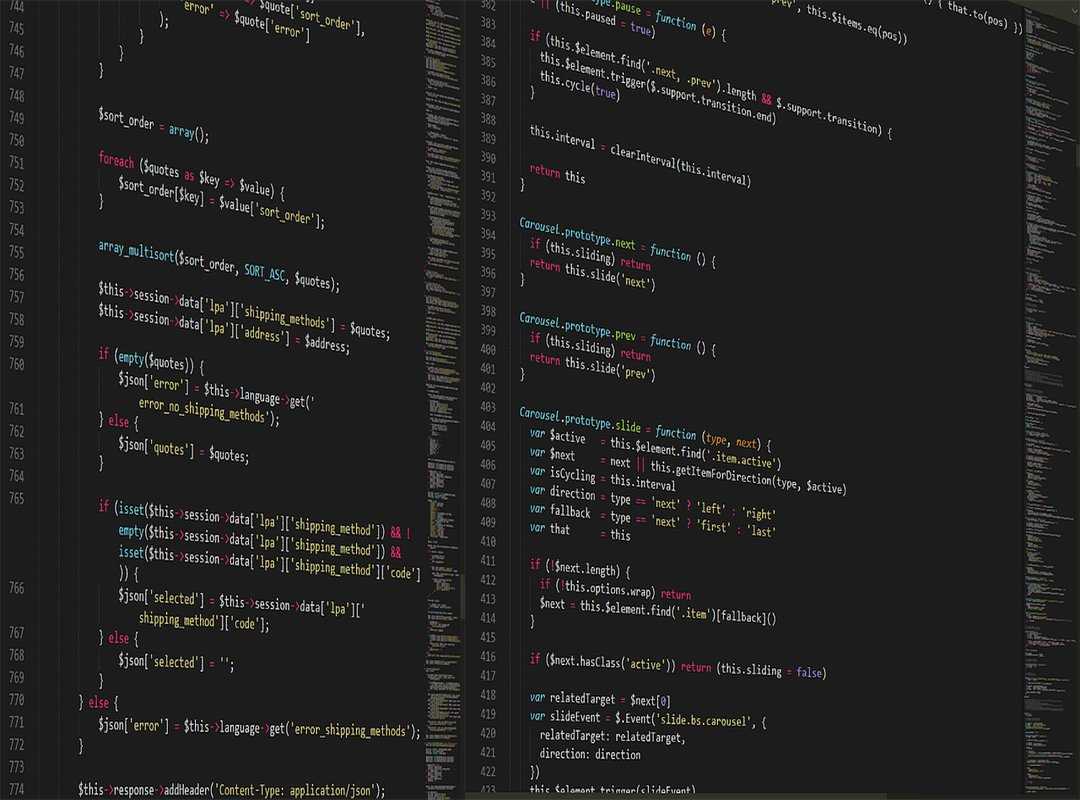
Tools like Cheat Engine and x64dbg give you power. You can see what makes a game tick and tweak it to your advantage.
Consider this: you’re trying to adjust a character’s jump height. With a memory editor, you can find the exact code that controls it. Change it in real time as you test.
It’s like opening a game’s brain and poking around. Before you know it, you’ll have a perfect mod ready for action.
But it doesn’t stop there. Want more stable mods? Tools like ReClass.NET reverse-engineer game structures.
Build mods that work but dominate. This level of control is how elite modders find hidden mechanics.
Interested in taking your skills further? You should look into advanced scripting game mods. It’s a deeper dive, but trust me, it’s worth it.
This is how top-tier modders push boundaries. So, are you ready to step up your game?
Building Your Arsenal: Choose the Right Tools
So you’re diving into advanced scripting game mods. But where do you start? Ask yourself three questions.
First, what’s your goal? If you’re adding new quests, you’ll want the Creation Kit or Script Extender. For new armor, think Blender or Substance Painter.
It’s all about matching the tool to the task.
Second, what does the community use? This is key. Tools with strong community support, tutorials, and documentation make your life easier.
Trust me, you don’t want to be the lone wolf trying to figure out complex code with zero guidance.
Finally, what’s the tool’s scope? Is it a standalone program, a plugin, or just a script library? Understanding this can prevent workflow headaches.
You don’t want to be knee-deep in a project only to realize the tool lacks a feature you need.
Pro tip: Always check forums for real user experiences. It can save you time and frustration.
Start Creating with Next-Level Mods
You get it now, right? The difference between basic mods and advanced scripting game mods isn’t just tools. It’s mindset.
Stop being held back by basic installers. You want freedom, creativity, and control. With script extenders, asset editors, and debuggers, your imagination is your only limit.
So, what’s stopping you? Dive in. Pick one tool from this guide.
Find a “getting started” tutorial for your favorite game. Start building something truly unique today. The power’s in your hands now.
Tired of constraints? Break free and create something extraordinary. Your next mod adventure awaits.
Don’t just play. Craft your own gaming world.
 William Ryanievada writes the kind of hot topics in gaming content that people actually send to each other. Not because it's flashy or controversial, but because it's the sort of thing where you read it and immediately think of three people who need to see it. William has a talent for identifying the questions that a lot of people have but haven't quite figured out how to articulate yet — and then answering them properly.
They covers a lot of ground: Hot Topics in Gaming, Gamer Gear Optimization Hacks, Core Gaming Mechanics and Insights, and plenty of adjacent territory that doesn't always get treated with the same seriousness. The consistency across all of it is a certain kind of respect for the reader. William doesn't assume people are stupid, and they doesn't assume they know everything either. They writes for someone who is genuinely trying to figure something out — because that's usually who's actually reading. That assumption shapes everything from how they structures an explanation to how much background they includes before getting to the point.
Beyond the practical stuff, there's something in William's writing that reflects a real investment in the subject — not performed enthusiasm, but the kind of sustained interest that produces insight over time. They has been paying attention to hot topics in gaming long enough that they notices things a more casual observer would miss. That depth shows up in the work in ways that are hard to fake.
William Ryanievada writes the kind of hot topics in gaming content that people actually send to each other. Not because it's flashy or controversial, but because it's the sort of thing where you read it and immediately think of three people who need to see it. William has a talent for identifying the questions that a lot of people have but haven't quite figured out how to articulate yet — and then answering them properly.
They covers a lot of ground: Hot Topics in Gaming, Gamer Gear Optimization Hacks, Core Gaming Mechanics and Insights, and plenty of adjacent territory that doesn't always get treated with the same seriousness. The consistency across all of it is a certain kind of respect for the reader. William doesn't assume people are stupid, and they doesn't assume they know everything either. They writes for someone who is genuinely trying to figure something out — because that's usually who's actually reading. That assumption shapes everything from how they structures an explanation to how much background they includes before getting to the point.
Beyond the practical stuff, there's something in William's writing that reflects a real investment in the subject — not performed enthusiasm, but the kind of sustained interest that produces insight over time. They has been paying attention to hot topics in gaming long enough that they notices things a more casual observer would miss. That depth shows up in the work in ways that are hard to fake.