
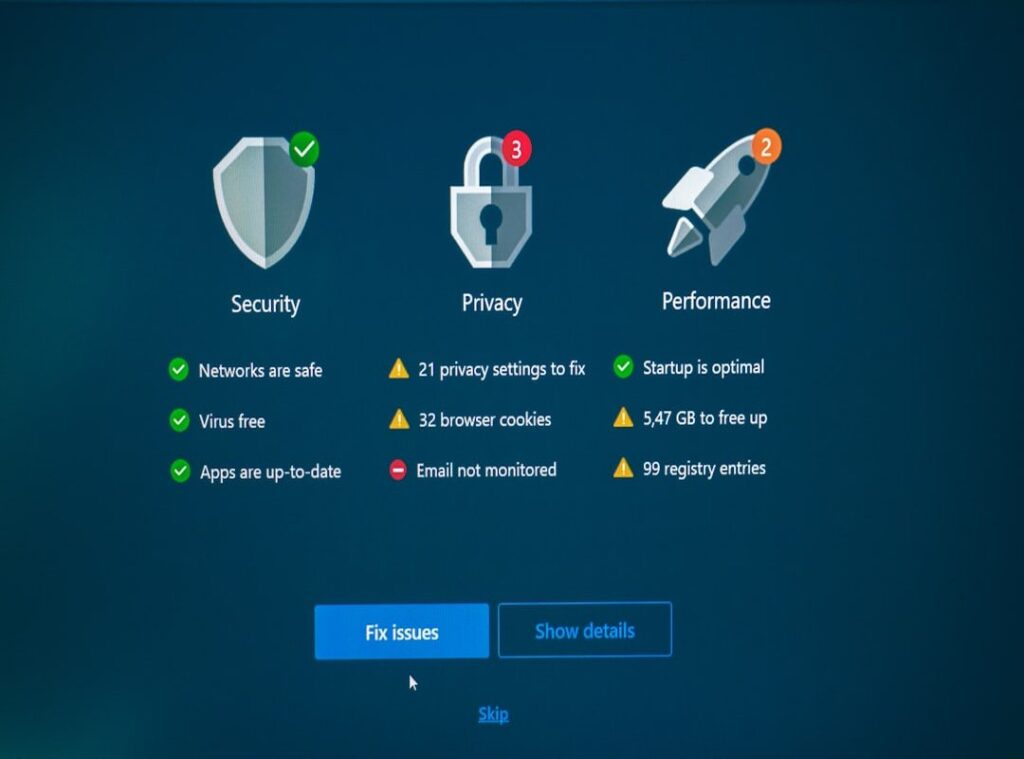
You know that feeling when you’re in the final moments of an intense match, and suddenly, everything freezes? It’s like the universe conspires against you. I’ve been there, too.
Years of tweaking and modding gaming rigs taught me one thing: optimizing your setup makes all the difference. This guide is your no-nonsense path to top-tier gaming. No fluff, just real strategies.
We’ll dive into game performance settings and cover everything from software tweaks to hardware hacks. Worried about budget or tech skills? Relax.
You don’t need deep pockets or a degree in computer science. I’ve spent years perfecting these methods, and now they’re yours. Follow along, and you’ll boost your FPS and enjoy smoother gameplay.
Ready to revolutionize your gaming? Let’s get started.
The ‘Free FPS’ Buffs: Important Software & OS Tweaks
Want smoother gameplay without spending a dime? Let’s talk game performance settings and get your PC running like a beast for free.
First, the ‘Big Three’ updates: GPU, Chipset, and BIOS. These updates are your PC’s vitamins. A GPU update (Nvidia, AMD, or Intel) ensures your graphics card performs at its best.
Chipset updates keep your motherboard in check, maintaining stability and speed. And BIOS? It’s the brain behind your hardware.
Keep it updated to avoid headaches down the line.
Now, configuring Windows for gaming. Activate Game Mode (Windows’ way of prioritizing your game). Disable those pesky startup programs that hog resources.
Adjust the ‘Ultimate Performance’ power plan to give your PC that extra push. Does this make a difference? Absolutely.
Before gaming, ditch those background resource hogs (I call them performance goblins). Close web browsers with endless tabs, unnecessary launchers, and even RGB software. They slowly drain your system’s power.
It’s like letting goblins steal your frames per second.
Let’s not forget GPU control panel settings. In Nvidia Control Panel or AMD Software, tweak ‘Power Management Mode’ to ‘Prefer Maximum Performance’. Or adjust the ‘Shader Cache’ for quicker load times.
These settings are the secret sauce for every serious gamer.
Curious about more FPS tips? Check out this Mastering Fps Aiming Tips Tools guide for more advanced strategies. Your FPS game will thank you.
Remember, the right game performance settings can transform your PC into a powerhouse. So, why not start with these simple tweaks? Your games will run smoother, and your wallet will stay happy.
In-Game Settings Demystified: Finding Your Visual Sweet Spot
When you’re gaming, the choice between stunning visuals and smooth performance can feel like picking between cake and ice cream. Do you want eye candy or raw FPS? You can’t always have both, but you can get close.
The Biggest Performance Killers
Some settings are notorious for dragging your frame rate down. Shadows, for instance, add depth but are a known FPS hog (High cost). They can make or break the mood, but tweaking them can free up loads of performance.
Anti-Aliasing smooths out jagged edges but demands serious processing power (also High). It’s like putting a soft focus on everything. Volumetric Lighting adds realism by simulating light beams.
It’s beautiful, sure, but it hits the FPS hard (High).
Ambient Occlusion gives depth to objects by simulating shadows where surfaces meet. It’s subtle but costly (Medium). These settings are the usual suspects when your game starts chugging.
Settings You Can Safely Lower
Some settings can be dialed down with little visual impact. Texture quality is a big one if your VRAM is limited. Lower it and watch the FPS climb.
Motion blur? It’s a love-it-or-hate-it feature. Most of us hate it and it’s cheap to disable (Low impact on visuals).
Chromatic aberration, the weird color fringing effect, can go too. It’s one of those things you barely notice until it’s gone (Low cost).
Want practical advice? Change one setting at a time. Use an in-game benchmark or FPS counter to see the real-world impact.
It’s like peeling layers off an onion (without the tears).
For more on optimizing your settings, check out this game performance settings guide. It’s a lifesaver for anyone looking to squeeze every drop of performance from their rig. Remember, every tweak matters.
The Hardware Loot Drop: Smart & Strategic Upgrade Paths
Ever felt like your gaming rig is stuck in 2012? Time to level up. Let’s talk about transitioning from software tweaks to hardware upgrades.
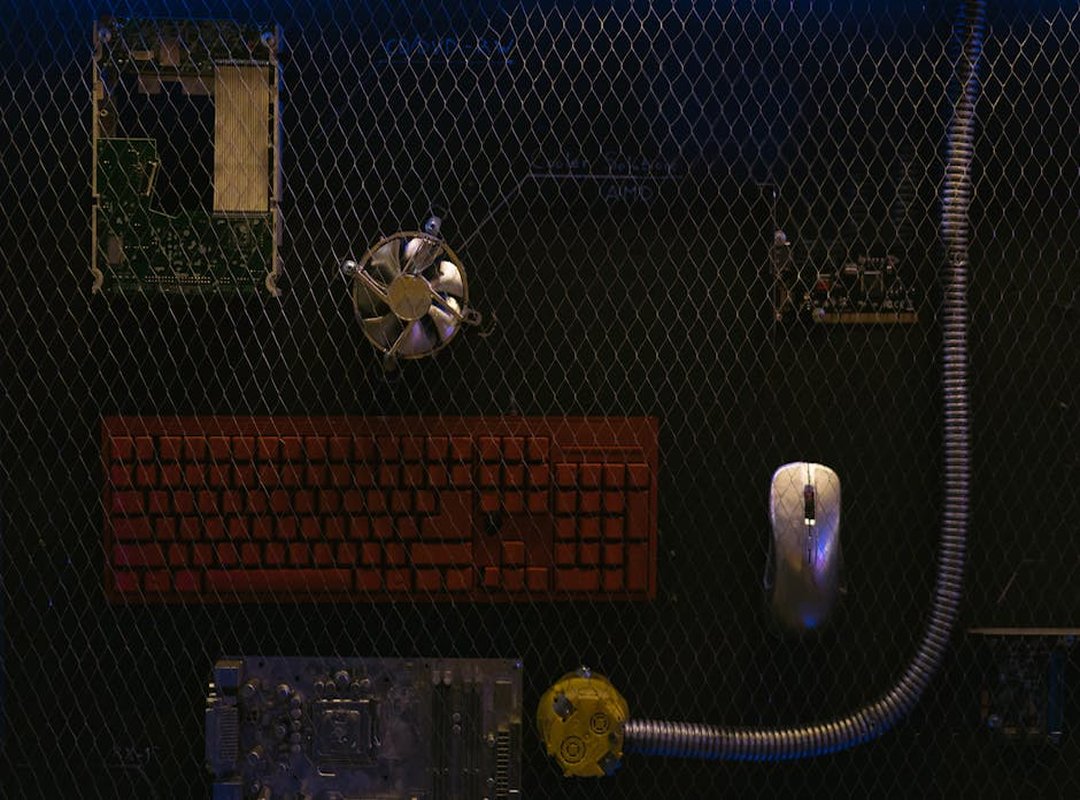
Here’s how you can strategically power up your setup.
First, let’s hit RAM. Why? Because 16GB is the sweet spot for most gamers these days.
Moving up from 8GB isn’t just about more headroom; it eliminates those annoying stutters. Ever tried running a game and had it feel like stop-motion animation? Dual-channel memory is your friend here.
Trust me, your game performance settings will thank you.
Next, storage. Out with the old, spinning Hard Disk Drive (HDD) and in with a Solid State Drive (SSD). It’s night and day.
Faster loading times, snappier asset streaming. Imagine spending less time staring at loading screens and more time fragging noobs.
Now, onto the CPU and GPU duo. Figuring out which one’s the bottleneck in your system can be tricky. But here’s a pro tip: Check the core count and clock speed for CPUs.
For GPUs, you’re looking at VRAM and core performance. If your CPU’s always maxed out while your GPU’s chilling at 50%, you know what needs upgrading.
And for those diving deep into RPG Character Customization Maximize Build, remember: A good CPU and GPU combo can make all the difference.
Upgrading doesn’t have to drain your wallet. Start small, think big. You got this.
The Hake-Level Menu: Unlocking Your System’s Secrets
Welcome to the endgame of game performance settings. Ready to dive deep? Buckle up because we’re about to push your system to its limits.
Proceed with care, though. This isn’t the faint-hearted stuff.
First, let’s talk BIOS/UEFI tweaks. Ever wondered why your RAM never lives up to its potential? Enter XMP for Intel and DOCP/EXPO for AMD.
These settings allow your RAM to run at advertised speeds. It’s like unlocking the power you already paid for. Why leave performance on the table?
Now, onto undervolting. Sounds complicated, right? It’s simpler than you’d think.
By reducing the power draw on your CPU or GPU, you can lower temperatures. This often results in more consistent (and occasionally higher) performance. MSI Afterburner is a trusted tool for tweaking GPUs.
Intel XTU and AMD Ryzen Master handle CPUs. Remember, find stability. Don’t just copy settings you found online.
Fan curves? They’re your thermal management pals. Customizing them ensures components won’t throttle during those marathon gaming sessions.
Overheating is the enemy. Pro tip: A well-optimized fan curve is your system’s best friend during long play.
This is advanced optimization. But if you’re here, you’re ready for it. Push your rig.
See what it can really do. The rewards? Worth every tweak and adjustment.
And hey, if you mess it up (no shame), that’s what resets are for.
Level Up Your Game
You’ve walked through it all, from simple software tweaks to advanced hardware hacks. Lag and stuttering shouldn’t ruin your fun. Not when you can improve with a methodical approach.
Starting with the easy wins, you can transform your experience. I promise, with the right game performance settings, gaming becomes a breeze.
So what’s next? Dive into our guide on [Relevant Game] plan and see what your rig can really do. It’s time to put that newfound power to the test.
Don’t settle for less. Tackle those challenges with confidence and let your skills shine. Go ahead, dominate the game.
 Robertiven Nakamuras is the kind of writer who genuinely cannot publish something without checking it twice. Maybe three times. They came to hake-level modding tutorials through years of hands-on work rather than theory, which means the things they writes about — Hake-Level Modding Tutorials, Pro Perspectives, Tech-Powered Game Strategy Guides, among other areas — are things they has actually tested, questioned, and revised opinions on more than once.
That shows in the work. Robertiven's pieces tend to go a level deeper than most. Not in a way that becomes unreadable, but in a way that makes you realize you'd been missing something important. They has a habit of finding the detail that everybody else glosses over and making it the center of the story — which sounds simple, but takes a rare combination of curiosity and patience to pull off consistently. The writing never feels rushed. It feels like someone who sat with the subject long enough to actually understand it.
Outside of specific topics, what Robertiven cares about most is whether the reader walks away with something useful. Not impressed. Not entertained. Useful. That's a harder bar to clear than it sounds, and they clears it more often than not — which is why readers tend to remember Robertiven's articles long after they've forgotten the headline.
Robertiven Nakamuras is the kind of writer who genuinely cannot publish something without checking it twice. Maybe three times. They came to hake-level modding tutorials through years of hands-on work rather than theory, which means the things they writes about — Hake-Level Modding Tutorials, Pro Perspectives, Tech-Powered Game Strategy Guides, among other areas — are things they has actually tested, questioned, and revised opinions on more than once.
That shows in the work. Robertiven's pieces tend to go a level deeper than most. Not in a way that becomes unreadable, but in a way that makes you realize you'd been missing something important. They has a habit of finding the detail that everybody else glosses over and making it the center of the story — which sounds simple, but takes a rare combination of curiosity and patience to pull off consistently. The writing never feels rushed. It feels like someone who sat with the subject long enough to actually understand it.
Outside of specific topics, what Robertiven cares about most is whether the reader walks away with something useful. Not impressed. Not entertained. Useful. That's a harder bar to clear than it sounds, and they clears it more often than not — which is why readers tend to remember Robertiven's articles long after they've forgotten the headline.