Whether you’re looking to sharpen your competitive edge, master core mechanics, or dive deeper into the world of mods and personalization, this guide is built to give you exactly what you came for. Modern gaming isn’t just about playing—it’s about understanding systems, optimizing performance, and making the experience truly your own.
Many players hit a plateau because they rely on surface-level tips or outdated advice. This article cuts through the noise with practical strategy breakdowns, clear mechanical explanations, and step-by-step insights designed to improve real in-game results. From advanced gear optimization to smarter decision-making under pressure, you’ll find actionable guidance tailored to both ambitious newcomers and seasoned players.
We’ve analyzed gameplay systems, tested optimization methods, and explored community-driven innovations to ensure the information here reflects what actually works right now. You’ll also discover how modding techniques and custom game skins creation can enhance both performance and personalization—without compromising stability or competitive integrity.
If your goal is to play smarter, build better, and gain a deeper command of your favorite games, you’re in the right place.
Your Character, Your Style: A Guide to Virtual Fashion
Tired of blending in? Virtual fashion—the art of designing distinctive in-game outfits—lets you turn stats screens into style statements. When you master color theory, silhouette (your character’s visual outline), and lore-friendly aesthetics, you don’t just look better—you feel more connected to your avatar. That confidence carries into gameplay (yes, even in sweaty ranked matches).
You’ll learn how transmog systems—features that swap an item’s appearance without changing stats—unlock creativity, and how advanced modding and custom game skins creation elevate individuality. The payoff? Recognition, immersion, and a character that’s unmistakably yours. Stand out, earn respect, and enjoy every login more each session.
Beyond Default Skins: Why Personalization Matters
First and foremost, your character’s appearance is your identity in a virtual world. In multiplayer games, your avatar functions as a digital extension of you—a curated version of how you want to be seen. Whether it’s neon cyber-armor or minimalist streetwear, customization signals personality, skill level, and even playstyle. (Yes, people absolutely judge the default skin.) That’s why custom game skins creation has become such a popular pursuit among players who want to stand out.
Beyond aesthetics, there’s psychology at work. Researchers call it enclothed cognition—the idea that what you wear influences how you think and perform (Adam & Galinsky, 2012). In gaming terms, equipping rare raid gear or a powerful-looking outfit can boost confidence, which in turn sharpens focus and decision-making.
Finally, a distinct look offers social advantages. In team-based games, recognizable armor dyes or event-exclusive skins signal experience and achievement. As a result, teammates may trust your calls faster—and in competitive matches, that split-second confidence can matter.
The Fundamentals of Digital Design: Color, Silhouette, and Lore

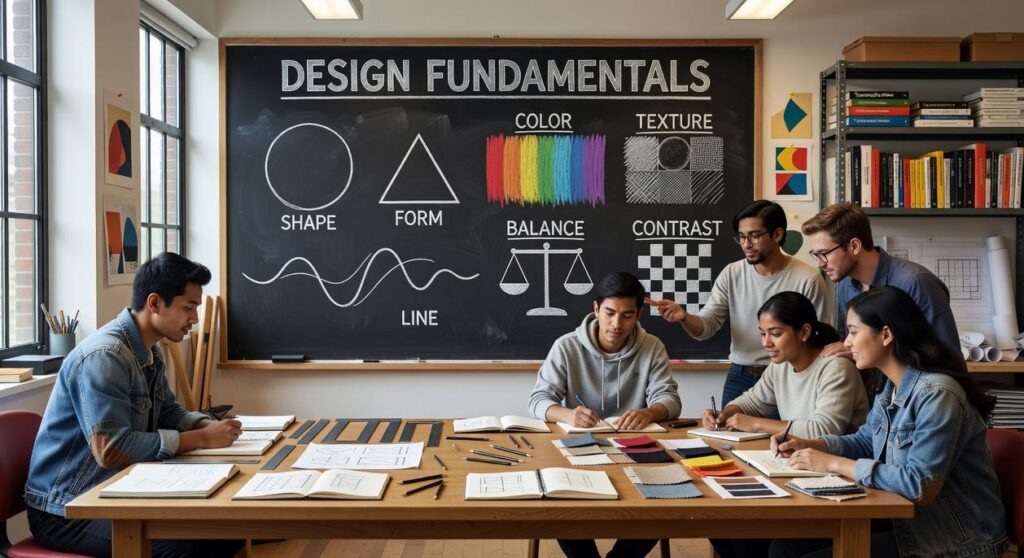
Great character design isn’t luck—it’s structure. When you understand why something looks good, you can recreate it consistently.
Color Theory for Gamers
Color palettes communicate personality before your character even swings a sword. Dark blues, muted grays, and deep reds signal a brooding anti-hero (think Batman-level intensity). Bright golds, whites, and royal blues suggest optimism and heroism.
Two essential systems drive this:
- Complementary colors: Opposites on the color wheel (like blue and orange). These create high contrast and visual pop—ideal for PvP readability.
- Analogous colors: Neighbors on the wheel (like green, teal, and blue). These feel cohesive and immersive—perfect for lore-heavy RPG builds.
Many modern MMOs use in-game dye systems that let you test both approaches instantly. The benefit? You can refine personality without swapping gear stats. Pro tip: Screenshot your character in neutral lighting before committing to rare dyes.
The Power of the Silhouette
Your outline is your identity. Game designers prioritize silhouette because the brain recognizes shape faster than detail (a principle widely cited in animation studies, including Disney’s character design framework).
Mix armor weights strategically:
- Bulky pauldrons + slim cuirass = top-heavy authority
- Long coats + narrow boots = agile duelist vibe
- Wide capes + tall helms = commanding battlefield presence
Even in custom game skins creation, professionals block out shape before adding texture. The benefit? Instant recognizability in crowded raids.
Storytelling Through Style
Lore-friendly design anchors immersion. A frost mage in desert nomad gear feels off (unless there’s backstory to justify it). Align armor with:
- Class function
- Racial heritage
- Major quest milestones
Some argue stats matter more than aesthetics. True—mechanics win fights. But cohesive visual storytelling strengthens roleplay, social identity, and long-term attachment (and that keeps players invested far longer than raw DPS numbers).
Mastering In-Game Customization Systems
Back in 2019, when transmog systems became standard in major MMOs, players realized they no longer had to choose between power and style. Transmogrification (or “transmog”) lets you apply the appearance of one item to another while keeping its original stats. Some argue it cheapens progression—if everyone can look legendary, what’s the point? Fair. But after years of updates, developers have balanced this by locking certain visuals behind achievements or seasonal events (a smart compromise).
How to transmog efficiently:
- Unlock the appearance permanently before selling gear.
- Prioritize versatile armor models.
- Save rare drops for future builds.
Unlocking Your Palette
Rare dyes and patterns often rotate quarterly through vendors or events. Track event calendars and farm during double-drop weeks (pro tip: prices spike afterward). While some players prefer buying cosmetics outright, grinding limited-time content often yields better long-term value.
The “Mix and Match” Method
Instead of full sets, identify shared design language—spikes, filigree, or fabric weight. This approach mirrors custom game skins creation communities, where individuality beats uniformity.
If default systems feel limiting, explore scripting basics building simple gameplay mods from scratch to expand customization options.
Great style isn’t accidental. It’s curated, tested, and sometimes rebuilt after three frustrating dungeon runs (worth it, though).
Advanced Customization: An Introduction to Modding
What Is Texture Modding?
Texture modding is the process of changing how in-game items look by replacing their visual files—called textures (2D images wrapped around 3D objects)—or adjusting models (the 3D shapes themselves). In simple terms, you’re giving existing gear a visual makeover without rewriting the core game code. For example, a basic steel sword can become a glowing neon blade, or standard armor can be redesigned through custom game skins creation tools. Think of it like swapping a movie character’s costume while keeping the same actor and script.
Finding and Installing Mods Safely
Before downloading anything, stick to reputable hubs such as Nexus Mods (https://www.nexusmods.com). Next, always check the mod’s compatibility with your game version. Then read user comments—these often reveal bugs, conflicts, or performance drops. Additionally, scan files with antivirus software and follow installation instructions exactly. Pro tip: back up your original game files so you can quickly restore them if something breaks.
A Critical Warning on Fair Play
However, not all mods are harmless. Purely cosmetic, client-side mods typically change only what you see. By contrast, gameplay-altering mods in online multiplayer can trigger account bans. When in doubt, assume online games enforce strict fair-play policies.
Crafting Your Digital Legacy
You now have the tools to move beyond default appearances and build something unmistakably yours. I’ve always believed a great avatar says more than a leaderboard ever could. Style is strategy. When you apply color theory, understand silhouette (the overall shape your character presents), and explore in-game systems like custom game skins creation, you stop blending in.
Some players argue looks don’t matter. I disagree. Identity fuels confidence, and confidence changes how you play.
- Open your collections tab and test one bold concept today.
Log in, experiment, refine. Your ultimate avatar is waiting for you now.
Level Up Your Gameplay with the Right Strategy
You came here to sharpen your edge—whether that means mastering core mechanics, optimizing your gear, or finally understanding the strategies top players use to stay ahead. Now you have the insights to move smarter, react faster, and build a setup that actually supports your playstyle.
The frustration of grinding without progress, losing to avoidable mistakes, or running outdated builds is real. But staying stuck is optional. When you apply optimized strategies, refine your loadouts, and experiment with custom game skins creation, you stop playing randomly and start playing intentionally.
The next step is simple: put what you’ve learned into action today. Test one new strategy. Upgrade one piece of gear. Refine one mechanic. Small, focused improvements compound fast.
If you’re serious about dominating your matches instead of just surviving them, dive deeper into our expert guides and proven optimization tactics. Thousands of competitive players already use these insights to gain their edge—now it’s your turn. Start optimizing and take control of your game.