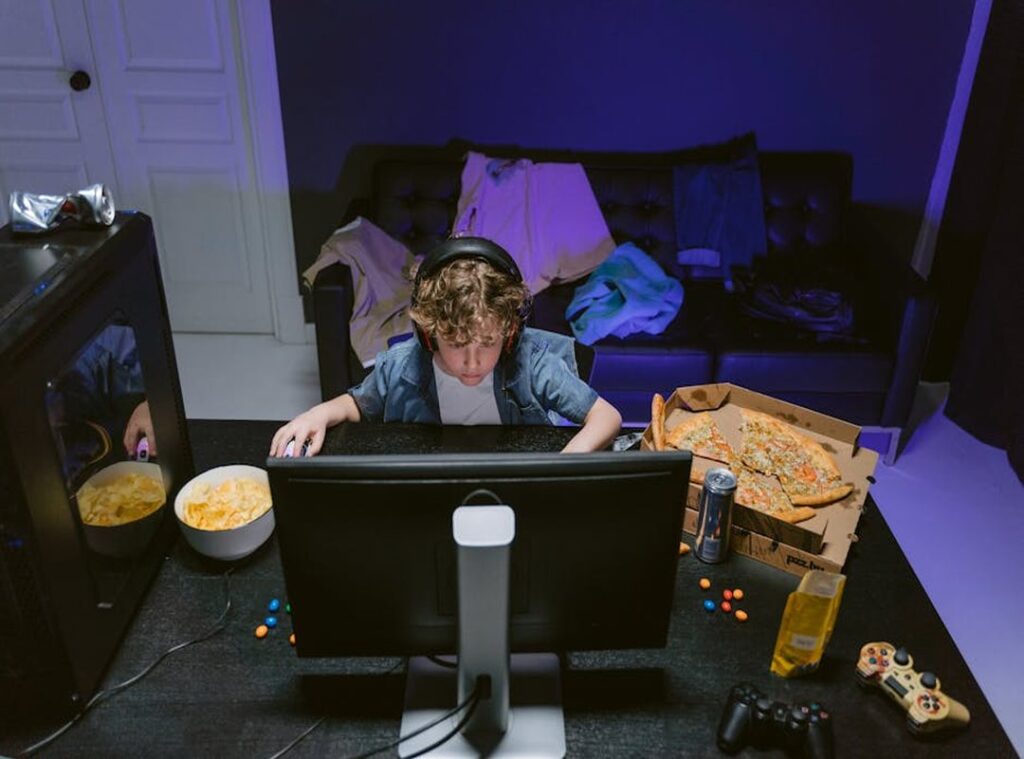
You just lost three hours to lag.
Your character froze mid-sprint. The chat exploded with “AFK?” messages. You closed the game angry.
And not at the boss you failed to beat.
That’s not fun. That’s broken.
I’ve seen it happen in PC lobbies, console parties, mobile matches, and cloud sessions. I’ve run security audits on live servers. Diagnosed latency spikes down to the router firmware.
Moderated communities where toxicity killed engagement overnight.
This isn’t theory. It’s what works (right) now. In 2024.
Most so-called guides recycle the same five tips from 2018. Or they’re locked inside one platform. Not this.
I’m giving you Guidelines for Online Gaming Feedgamebuzz that cut across ecosystems. No fluff. No “maybe try this.” Just habits you apply tonight.
Like how to spot a phishing link disguised as a Discord invite. Or why your “fast” internet still chokes on voice chat. Or when to walk away before burnout resets your whole week.
I’ve done this for over a decade. Across ten+ platforms. With real players (not) test accounts.
You want practical. You want immediate. You want trustworthy.
You’re here. So let’s start.
Squeeze More FPS Out of What You Already Own
I stopped buying new GPUs two years ago.
And my games run smoother now.
Network prioritization hits first. If your router treats Zoom and Valorant the same, you’ll feel it in input lag. QoS isn’t magic (it’s) just telling your router “let gaming traffic go first.”
Most mid-tier routers let you do this in five clicks.
(Mine’s a TP-Link Archer C7. It works.)
GPU drivers? I update them only before big game launches (not) weekly. NVIDIA’s “Game Ready” label is marketing fluff unless you’re playing that exact title.
Stable > shiny.
Background processes eat more than RAM. They steal CPU cycles and interrupt timing. I kill Discord overlay, Chrome tabs, and Windows Update Delivery Optimization.
Every time.
Here’s what I use. Free, no bloat:
MSI Afterburner + RivaTuner for real-time GPU clock control and frame pacing. Wireshark to spot packet loss spikes when ping jumps.
Windows Game Mode. Yes, it helps (but only with G-Sync/VRR enabled). And Process Lasso (set) to “anti-sleep” mode so Windows doesn’t throttle your game mid-fight.
Test case: My 2019 Asus RT-AC68U dropped ping variance from 87ms to 32ms after QoS + DNS flush. That’s not theory. That’s me landing headshots in Apex instead of watching recoil drift.
Overclocking beyond safe voltage limits? Benchmarks show zero FPS gain past +150MHz on my 3060. Just heat and instability.
Don’t believe the hype.
Feedgamebuzz has solid Guidelines for Online Gaming Feedgamebuzz. No fluff, just tested tweaks. I checked their latency checklist against my own notes.
It matched.
Stop upgrading hardware.
Start tuning what you’ve got.
How Pro Gamers Lock Down Their Accounts (And Why You Should Too)
I use five layers. Not four. Not six.
Five.
Hardware token. App-based 2FA. Email aliasing.
Session monitoring. Recovery phrase vaulting.
That’s not overkill. That’s baseline for anyone who’s ever had a Steam library wiped or a Discord account sold in a forum dump.
Google Authenticator works. But only if you print the backup codes and lock them in a drawer. Not in iCloud.
Not in Notes. Not anywhere online.
SMS 2FA? Dead. Stop using it.
Carriers get tricked. SIM swaps happen. It’s like locking your front door but leaving the garage wide open.
Phishing lures change every month. Fake Nitro offers on Discord. Spoofed Steam trade confirmations.
They mimic UIs down to the pixel. And they know you’re rushing to accept.
Look at the URL first. Always. Then check the sender’s exact email or username.
Not the display name. Then hover before clicking anything.
Before you log in anywhere (check) the padlock icon. Check the domain spelling. Check if the site feels off (like fonts loading wrong or buttons missing).
Recovery phrase vaulting means writing your seed phrases on metal, not paper (and) storing them where no one can photograph or scan them.
I’ve seen too many streamers lose sponsors because their Twitter got hijacked via a compromised email.
The Guidelines for Online Gaming Feedgamebuzz say this plainly: assume every login is a target.
You don’t need fancy tools. You need discipline.
And yes. I test my own recovery flow every 90 days. Try it.
Burnout Doesn’t Care How Good You Are
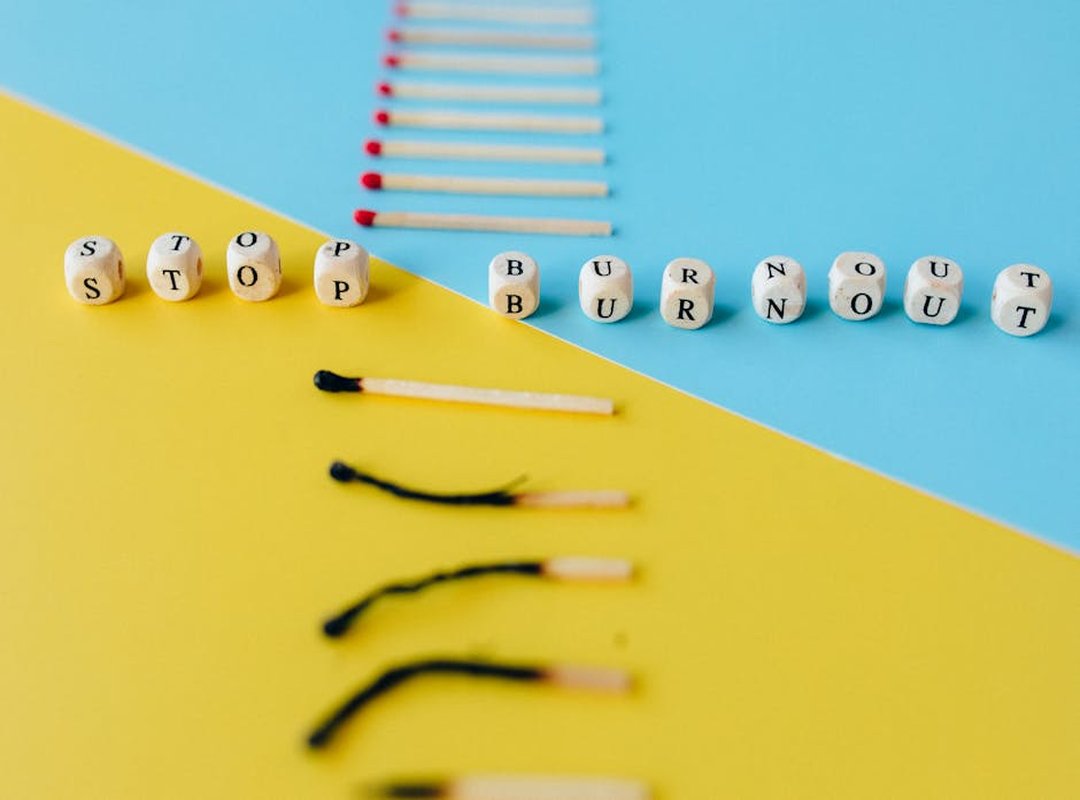
I used to grind 8 hours straight. Then I’d wonder why my aim got worse after hour five.
The 50/10 rhythm isn’t magic. It’s biology. Fifty minutes focused.
Ten minutes moving. Walking, stretching, shaking out your hands. No screens.
Your brain consolidates skill during those breaks. Not during the marathon.
Marathon sessions feel productive. They’re not. You’re just rehearsing fatigue.
I built a simple spreadsheet. Call it the Skill Stack Tracker. One column for win rate.
One for reaction time (I use a free latency tester). One for emotional state: tired, frustrated, calm, wired. After two weeks, I saw the pattern.
My best days had lower session times and higher emotional awareness.
I covered this topic over in Latest Tips for Gaming by Feedgamebuzz.
You don’t need fancy tools. You need honesty.
Toxic community exposure? It starts before you even speak. Mute keywords first (not) after someone insults you.
Use auto-moderation bots on Twitch or YouTube before going live. And if a guild invite feels pushy or overly personal too fast? That’s grooming (not) camaraderie.
A friend ranked Diamond in Valorant (then) stalled for months. He cut two hours weekly and added five-minute micro-drills: flick shots on static targets, crosshair placement drills, map callouts with zero distractions. His rank jumped in three weeks.
That’s not luck. That’s design.
If you want real, repeatable progress (not) just noise (check) out the Latest Tips for Gaming by Feedgamebuzz. Their Guidelines for Online Gaming Feedgamebuzz section cuts through the hype.
Stop optimizing for hours. Start optimizing for retention.
Gaming Platforms: Which One Actually Fits?
I’ve wasted too many hours on cloud services that felt like playing through wet paper.
GeForce Now? Great if your internet is solid and you don’t mind input latency creeping past 35ms. Xbox Cloud?
Worse for competitive play. I dropped two ranked matches last month because of lag spikes.
Moonlight works. Local streaming, no subscription, full modding access. But it demands a decent GPU at home.
Not everyone has that.
Browser games? WebGPU in Chrome 124+ changed things. Some run fast and respect your privacy.
Others? Just data siphons wearing game skins.
Are you playing solo? Moonlight or native. Competing?
But check your upload cap first.
Skip cloud entirely. Streaming to Twitch? GeForce Now’s encoder helps.
Hidden costs pile up fast. That $10 Xbox Game Pass Ultimate bundle? You’re paying for EA Play whether you use it.
Regional DRM blocks titles mid-playthrough. Happened to me in Germany with Cyberpunk.
Subscription fatigue is real. So is licensing whiplash.
The Guidelines for Online Gaming Feedgamebuzz cover this stuff cleanly. I follow the Latest Online Gaming Guidelines Feedgamebuzz before every new setup.
Start there. Not after you’ve already bought three subscriptions.
One Change. Real Results.
I’ve seen too many players drown in advice that sounds smart but does nothing for their actual game.
You’re tired of fragmented tips. Tired of jargon that doesn’t translate to faster reflexes or cleaner plays.
This isn’t theory. It’s practice.
Let hardware 2FA. Try the 50/10 rhythm. Pick Guidelines for Online Gaming Feedgamebuzz (not) all of it.
Just one section.
Re-read its bullet points. Do the first action step. Right now.
Before you close this tab.
You’ll feel the difference in 72 hours. Not next month. Not after “more practice.” Now.
Your best game isn’t waiting for better gear. It’s waiting for better habits.