
If you’re searching for clear insights into esports industry growth, you’re likely trying to understand where competitive gaming is headed—and how to stay ahead of it. With prize pools expanding, viewership rivaling traditional sports, and new revenue streams emerging across sponsorships, media rights, and in-game economies, the esports landscape is evolving faster than ever.
This article breaks down the key forces driving that growth, from grassroots competitive scenes to professional league infrastructure. We’ll examine the mechanics behind successful esports ecosystems, the role of game balance and community engagement, and the strategic decisions that turn popular titles into long-term competitive platforms.
Our analysis draws on in-depth research across tournament data, developer updates, and professional player insights to give you a grounded, practical understanding of what’s actually fueling expansion—not just the headlines. Whether you’re a competitive player, aspiring pro, or industry observer, you’ll gain a clear view of what’s driving momentum and what it means for the future of esports.
From Niche Hobby to Global Phenomenon
Competitive gaming didn’t explode overnight; it snowballed. At first, critics called it a fad (they said the same about the internet). However, esports industry growth reflects deeper shifts in technology, streaming culture, and prize capital.
Here’s how I see it:
| Driver | Impact |
| Tech | Lowers entry barriers |
| Streaming | Builds global audiences |
| Sponsorships | Inject serious revenue |
Moreover, aspiring players now follow clearer pathways through ranked ladders and creator platforms. Some argue traditional sports remain untouchable. I disagree. Competitive gaming adapts faster, monetizes smarter, and speaks digital fluency. Ultimately, this ecosystem rewards skill, strategy, and relentless iteration.
The Billion-Dollar Engine: Economic Drivers of Esports Growth
Esports isn’t just about million-dollar prize pools (those are the headlines, not the business model). The real engine runs on diversified revenue streams that make the ecosystem sustainable.
Beyond Prize Pools
Prize money is promotional fuel, but the bulk of revenue comes from:
- Media rights: Platforms pay leagues for exclusive broadcasting deals, similar to the NFL or Premier League model.
- Advertising and sponsorships: Brands pay for in-stream ads, jersey placement, and event naming rights.
- Merchandise and digital goods: Jerseys, peripherals, and in-game team skins create recurring fan spending.
According to Newzoo, sponsorships and media rights consistently account for the majority of global esports revenues, underscoring how esports industry growth is tied to long-term commercial partnerships rather than one-off tournaments.
Venture Capital and Private Equity Influx
Investors now treat top organizations like traditional sports franchises because they see long-term brand equity. Teams own media channels, cultivate loyal fan bases, and monetize intellectual property. Critics argue esports is “too volatile” compared to legacy sports. Fair point—game titles can rise and fall quickly. However, diversified orgs mitigate this by competing across multiple titles and building lifestyle brands beyond any single game.
The Creator Economy Synergy
Pro players double as streamers and influencers, building personal brands that attract non-endemic sponsors like fashion and automotive companies. This expands reach beyond hardcore gamers (think Formula 1 meets Twitch culture).
Case Study: Team Liquid
Team Liquid generates revenue through sponsorships, merchandise, competitive winnings, and content production. By investing heavily in fan engagement—documentaries, social media, and community events—they convert casual viewers into long-term supporters.
Pro tip: When evaluating an esports org, look at revenue diversity and audience ownership—not just trophy counts.
Technological Catalysts: How Innovation is Lowering the Barrier to Entry
The Mobile Revolution
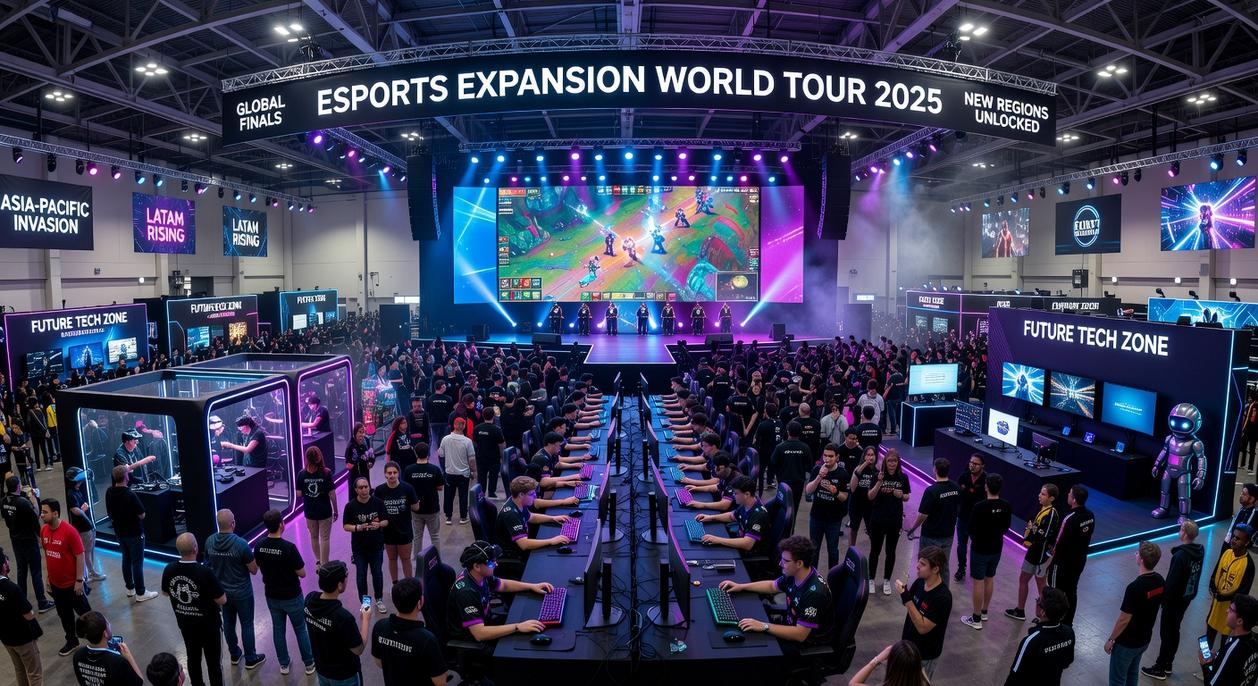
First and foremost, high-fidelity mobile gaming has changed the competitive landscape entirely. Smartphones now rival last decade’s consoles in raw processing power, allowing players in emerging markets to compete without a $2,000 setup. Titles like PUBG Mobile and Mobile Legends have stadium-scale tournaments, proving you don’t need a tricked-out PC to go pro. In many regions, a phone isn’t just a device; it’s a gateway. As a result, esports industry growth has accelerated in places previously overlooked by traditional publishers. (Remember when gaming on your phone meant Snake? Yeah, we’ve come a long way.)
Streaming and Spectatorship Tech
Meanwhile, platforms like Twitch and YouTube have turned competitive matches into binge-worthy entertainment. With in-game spectator modes and real-time analytics, watching a tournament now feels closer to the Super Bowl than a casual livestream. This visibility fuels player ambition and sponsorship dollars alike. It also reinforces the growing legitimacy of competitive play, much like how Formula 1 surged after “Drive to Survive.” For a deeper look at industry shifts, see the growing influence of indie developers in modern gaming.
Hardware Accessibility and Optimization
Of course, some argue hardware still creates inequality. And yes, premium GPUs and 240Hz monitors offer advantages. However, falling prices and better optimization mean competitive performance is more accessible than ever. Pro tip: fine-tuning sensitivity, refresh rates, and thermal performance often yields bigger gains than raw specs.
Cloud Gaming’s Potential
Looking ahead, cloud gaming could remove hardware barriers almost entirely. If latency challenges continue shrinking, competitive access may soon be as simple as logging in—no beast PC required.
New Arenas: Emerging Genres and Platforms Defining the Future
The competitive landscape is no longer ruled solely by MOBAs and FPS giants. Increasingly, strategy card games, auto-battlers, and sim racing are building serious tournament ecosystems. Think of it like the Marvel Cinematic Universe: once dominated by a few heroes, now an ensemble cast drives the story. These emerging genres reward different skills—deck construction, probabilistic thinking, mechanical precision—expanding who can compete.
Meanwhile, universities are formalizing the path-to-pro, offering scholarships, coaching, and structured leagues. Much like traditional athletics, collegiate esports programs create scouting pipelines and performance benchmarks. Critics argue gaming should stay grassroots, but structure often unlocks longevity and stability. The data behind esports industry growth suggests institutional backing isn’t slowing momentum.
At the same time, cross-platform ecosystems are dissolving hardware barriers. Seamless cross-play across PC, console, and mobile unifies player bases and deepens brackets. Some purists worry about balance, yet smart matchmaking and input-based tiers mitigate disparities. Ultimately, broader access fuels fiercer competition and richer metas.
Pro tip: diversify your practice across genres to future-proof your skill set.
As the arena evolves, adaptability becomes the ultimate win condition, not just raw mechanics alone. Stay ready for the next meta shift. Ahead.
Navigating the Modern Competitive Ladder
Intent Reinforcement: The expansion of competitive gaming is a multi-faceted phenomenon, driven by a perfect storm of investment, technology, and cultural acceptance. This esports industry growth has created a complex but opportunity-rich landscape, shifting play from basement hobby to legitimate career pipeline. Streaming tools, analytics, and franchised leagues form the infrastructure most guides ignore. Critics argue the ladder is overcrowded and luck-driven. Yet data shows structured practice, meta literacy, and brand building compound. For aspiring players, mapping these forces clarifies skill gaps and sponsorship angles. For fans, it reveals strategy behind spectacle (yes, it’s chess-like).
Level Up Your Competitive Edge
You came here to better understand the mechanics, strategies, and optimization tactics that separate casual players from true competitors. Now you have a clearer roadmap—how to refine your builds, sharpen your decision-making, and adapt to the rapidly evolving meta driven by esports industry growth.
The reality is this: falling behind on mechanics, gear optimization, or pro-level strategies costs you wins. In today’s competitive landscape, small inefficiencies become major disadvantages. The players who stay informed, practice intentionally, and leverage expert insights are the ones climbing ranks and dominating tournaments.
So here’s your move: put what you’ve learned into action. Refine your setup, test new strategies, and stay updated with the latest guides and meta shifts. If you’re serious about outperforming the competition, tap into our top-rated strategy resources trusted by competitive gamers worldwide.
Don’t just play the game—master it. Start optimizing today and turn every match into a calculated victory.