If you’re looking to level up your competitive edge, this guide breaks down exactly what separates casual players from consistent high performers. From mastering core mechanics to refining decision-making under pressure, we focus on the practical systems that actually move the needle in competitive gaming. Whether you’re grinding ranked, preparing for tournaments, or optimizing your setup, this article aligns with your goal: measurable improvement.
We dive into proven esports training routines, advanced strategy refinement, modding insights where applicable, and gear optimization techniques that impact reaction time, accuracy, and endurance. Every recommendation is grounded in gameplay analysis, performance research, and insights drawn from high-level competitive play.
Instead of vague tips, you’ll find structured methods you can apply immediately—clear drills, smarter practice frameworks, and strategic adjustments that translate directly into better in-game results. If you’re serious about improving, this is your blueprint.
Beyond Grinding: The Architecture of Elite Gaming Practice
You’ve logged 12-hour days, yet your rank barely moves. Frustrating, right? The problem isn’t effort; it’s direction. Playing feels productive, but deliberate practice—focused, feedback-driven skill work—is different. Instead of endless matches, elite players break sessions into mechanical drills (aim trainers, combo reps), and VOD reviews (analyzing recorded gameplay), and mental conditioning like visualization.
Meanwhile, many dismiss structured esports training routines as overkill. “Just grind,” they say. But burnout and plateauing stats tell another story (and your tilted queue proves it). So build modular blocks, track metrics, rest. Practice smarter, climb faster.
The Four Pillars of a Championship-Level Regimen
If you want to compete at the highest level, talent isn’t enough (it never was). In my view, greatness is built on structure. Specifically, four pillars that separate casual grinders from true contenders.
Pillar 1: Isolated Mechanical Mastery.
First and foremost, you must master the fundamentals. This means breaking complex skills into micro-actions and drilling them relentlessly—aim trainers in FPS titles, combo reps in fighting games, last-hitting practice in MOBAs. The goal is automaticity, a term from cognitive science meaning a skill becomes subconscious through repetition (Logan, 1988). When mechanics are automatic, your brain is free to think strategically instead of panicking.
Pillar 2: Strategic and Tactical Acumen.
However, mechanics without decision-making are empty calories. VOD review—studying your gameplay and top-tier matches—sharpens positioning, timing, and resource control. Some argue this is “overthinking,” but I disagree. Chess grandmasters review games constantly; why shouldn’t gamers? (Ericsson’s deliberate practice research supports this approach, 1993.)
Pillar 3: High-Pressure Competitive Simulation.
Next, blend skill and strategy in realistic environments:
- Structured scrimmages
- High-ELO ranked matches
- Goal-focused sessions (improvement over ego)
This mirrors esports training routines used by elite teams worldwide. Pressure reveals flaws (and yes, it’s uncomfortable—that’s the point).
Pillar 4: Performance Sustainment.
Finally—and most overlooked—optimize the human system. Sleep 8–10 hours (Walker, 2017), fuel properly, exercise, and manage stress. Reaction time and focus degrade without recovery.
In my opinion, this pillar is the real cheat code. Ignore it, and everything else collapses.
Designing Your Daily Block Schedule: A Modular Approach

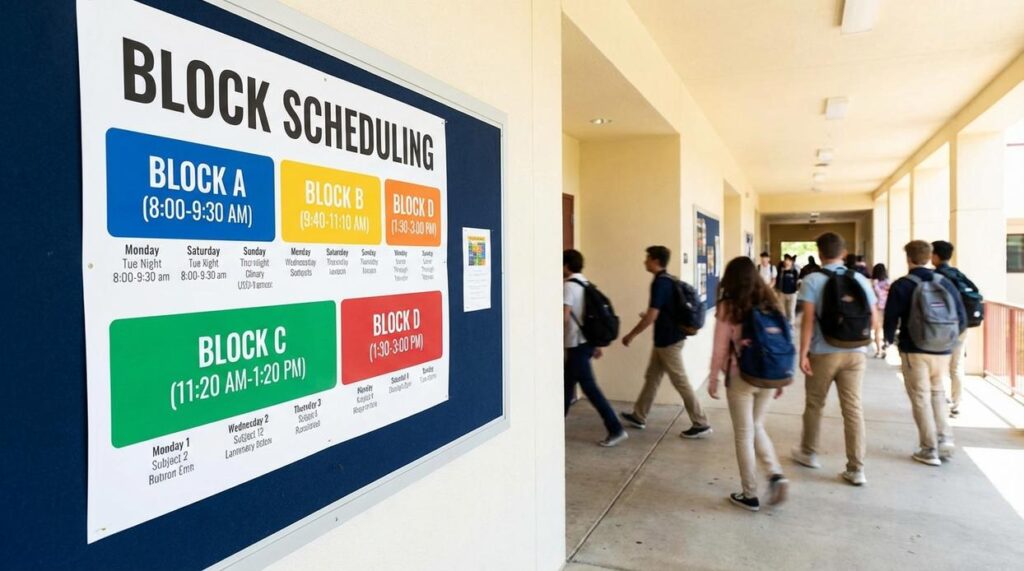
A great practice day doesn’t happen by accident. Instead, it’s built in blocks—clear, repeatable segments that train specific skills without burning you out. Think of it like assembling a loadout: each piece serves a purpose.
The Warm-Up Block (30–60 mins)
First, never jump into a match cold. This block prepares both body and mind. Start with hand and wrist stretches (injury prevention is underrated until it’s too late), then move into a mechanical trainer like KovaaK’s or Aim Lab. These tools isolate micro-skills such as flick accuracy and target switching. Finally, review your goals for the day. Are you focusing on positioning? Resource management? Clear intent sharpens results.
The Mechanical Grind Block (1–2 hours)
Next comes deliberate practice. Deliberate practice means isolating one weakness and drilling it with full focus—no multitasking, no alt-tabbing. Use custom lobbies or scenario trainers to repeat specific situations. For example, if you struggle with retake fights, simulate them repeatedly until your response becomes automatic. This is where many esports training routines separate casual players from serious competitors.
The Scrim & Ranked Block (3–4 hours)
Now shift into application. Treat this block like tournament play. Communicate clearly, execute planned strategies, and prioritize consistency over flashy plays (yes, even if the highlight clip would look amazing). Real improvement comes from reinforcing winning habits under pressure. If nerves are an issue, reviewing mindset mastery how pros handle high pressure matches can help ground your approach: https://thehaketech.net/mindset-mastery-how-pros-handle-high-pressure-matches/.
The VOD Review & Analysis Block (1 hour)
Finally, review immediately while decisions are fresh. Ask hard questions: Why did that fight fail? Was there a safer angle? Did you overcommit resources? Improvement lives in these uncomfortable moments. Pro tip: write down one recurring mistake and one strength each session. Over time, patterns emerge—and patterns are fixable.
Physical Conditioning: The best players treat fitness like firmware updates for the brain. At least 30-60 minutes of daily physical activity boosts blood flow, sharpens cognitive function, and improves reaction time. Cardio and flexibility matter more than max bench numbers (you’re not auditioning for a superhero reboot).
Nutrition and Hydration: Pros avoid sugar crashes and energy drink dependency because focus is biochemical. Whole foods, steady protein, complex carbs, and consistent hydration stabilize attention spans during long sessions. Pro tip: track water intake like you track stats.
Mental Fortitude and Tilt Management: Mindfulness training strengthens emotional regulation, reducing impulsive plays after losses. Elite competitors build reset rituals—breathing, short walks, replay notes—so one bad match doesn’t spiral. This is where esports training routines quietly differ; structured reflection beats rage queues every time.
Structured Downtime: Mandatory breaks allow neural consolidation, the brain’s process of locking in skills. Amateurs grind; pros disengage on purpose. Hobbies unrelated to gaming prevent burnout and expand creativity, a competitive edge most guides ignore. Treat recovery as strategy, not laziness, and you’ll notice consistency amateurs rarely sustain. Consistency compounds quietly, turning small daily disciplines into measurable performance gains over months, not highlight reels. That’s the real separation factor. Ultimately.
From Blueprint to Reality: Implementing Your Own Pro Schedule
You’ve seen the blueprint. Now it’s time to build.
First, accept this: improvement doesn’t come from endless ranked queues. Mindless play feels productive (you’re busy, after all), but it’s usually just reinforcing bad habits. Structured practice is what separates casual grinding from real progress.
So start small. Add a 30-minute VOD review after your sessions. That’s it. Watch one match, identify three mistakes, and write down one adjustment for tomorrow. Then, once that feels automatic, layer in focused mechanics drills before you queue. This is how esports training routines are built—intentionally, not impulsively.
Some players argue structure kills the fun. Fair point. But discipline doesn’t remove enjoyment; it sharpens it. Winning more is fun. Seeing measurable growth is fun (just ask anyone who’s finally broken a rank plateau).
Most importantly, track your consistency. If you miss a day, reset immediately—don’t spiral.
Build one block. Master it. Expand.
That’s how blueprints become results.
Level Up From Here
You came here to sharpen your edge and understand how to improve your gameplay with smarter strategies, optimized gear, and structured esports training routines. Now you have the blueprint to do exactly that.
The difference between staying stuck and climbing the ranks isn’t talent alone — it’s execution. Inconsistent practice, inefficient loadouts, and guesswork-driven strategy are the pain points holding most players back. When you apply structured mechanics training, intentional review, and optimized setups, you stop grinding blindly and start progressing with purpose.
Act on what you’ve learned. Build a weekly improvement plan. Refine your mechanics daily. Track your performance. Commit to disciplined esports training routines that target your weaknesses instead of just playing more matches.
If you’re serious about breaking plateaus and competing at a higher level, don’t leave your growth to chance. Join the thousands of competitive players who rely on our top-rated strategy breakdowns and optimization guides to gain a real advantage. Dive into the latest guides now and start turning smart practice into consistent wins.